Where Do Houseflies Live? Manure Piles, Trash, Drains
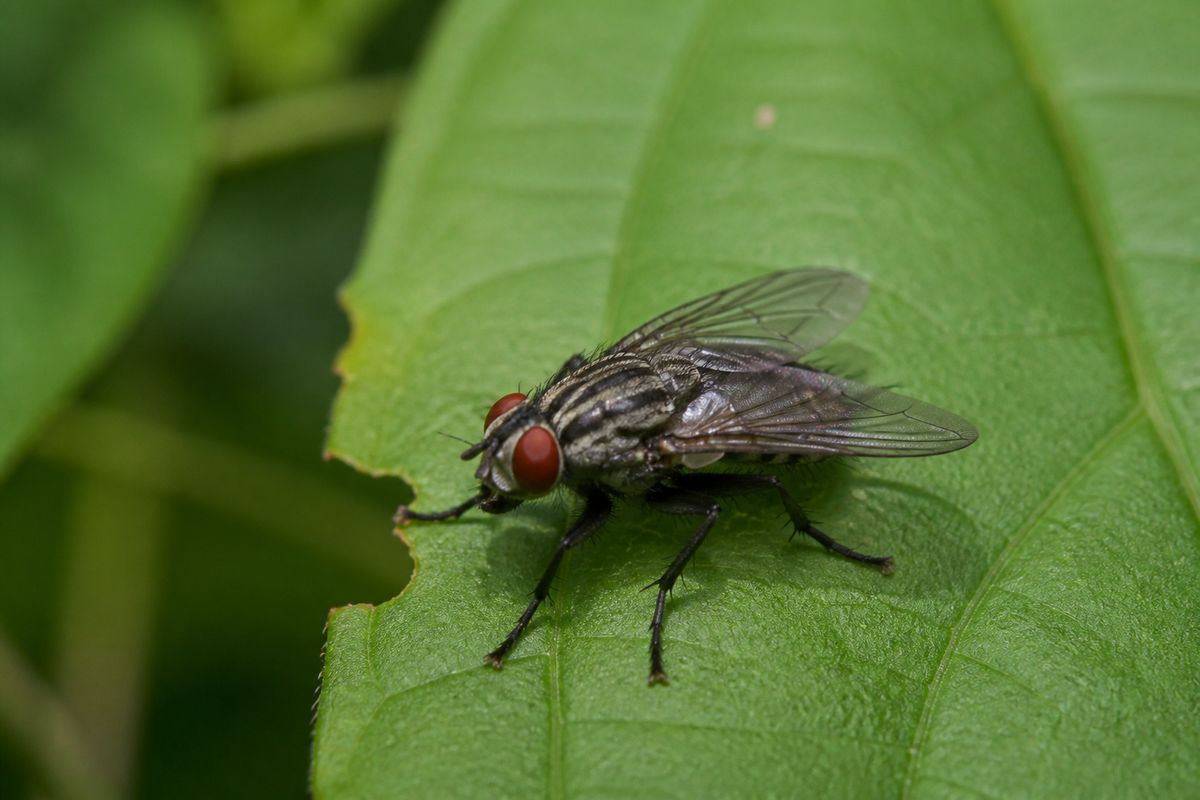
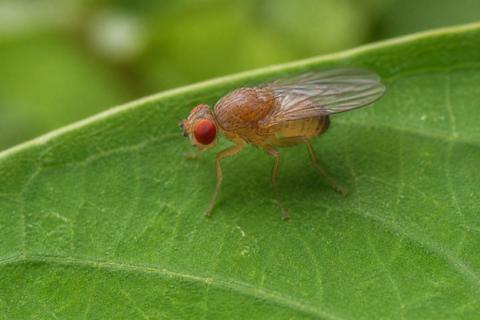
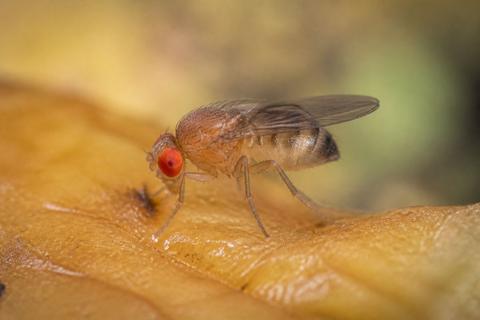
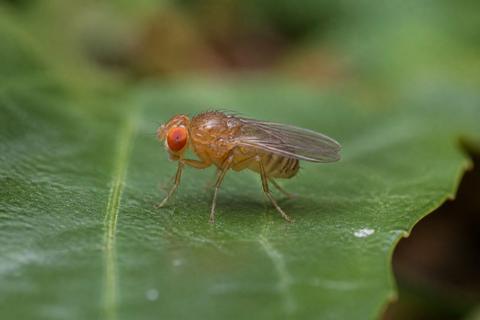
Where do houseflies live? Musca domestica breeds anywhere it finds moist, decaying organic matter within a short flight of shelter: garbage cans, compost heaps, livestock manure, and drains. It follows food and moisture more than any particular climate, which is why the same species turns up in city dumpsters and farm barns on every continent except Antarctica.
Where Houseflies Breed and Shelter
Adult houseflies rest and mate near whatever surface holds the food supply, then move indoors or into structures once temperatures drop. Four settings account for most populations:
-
Urban and suburban waste sites: Open garbage cans, dumpster pads behind restaurants, and compost heaps supply the rotting organic matter females need before they lay eggs.
-
Livestock operations: Manure piles at dairies, poultry houses, and stables are the single most productive breeding habitat because manure stays warm, moist, and undisturbed for days at a time.
-
Barns and outbuildings: In rural areas, flies shelter in hay lofts and feed rooms, breeding in spilled feed and bedding rather than manure alone.
-
Carrion and wild organic debris: Away from people, houseflies will use animal carcasses or decaying plant litter, though this is a minor habitat compared with manure and garbage.
Geographic Range
Musca domestica is established on every continent except Antarctica, tracking human settlement and livestock more closely than any specific climate band.
Temperate Zones
Across North America, Europe, and northern Asia, breeding accelerates once temperatures pass roughly 50°F (10°C) and peaks through summer. In New Hampshire and similarly cold states, adults die off outdoors each fall, but the species overwinters as pupae in manure piles and organic debris, emerging as adults once conditions warm in spring.
Tropical and Subtropical Zones
In year-round warm, humid regions such as much of India, Brazil, and Southeast Asia, houseflies breed continuously rather than seasonally, and dense human and livestock populations keep organic waste supplies constant.
Cold and High-Latitude Areas
Houseflies still turn up in subarctic towns during short summer warm spells, but the cold-restricted breeding season keeps populations far smaller than in temperate or tropical zones.
What Determines Where a Fly Settles
Food
Houseflies are filter-feeding scavengers, not biters. Adults feed on liquefied organic matter, including:
- Decaying fruit and vegetables
- Animal manure
- Household garbage
- Spilled food and drink residue
Because they can only ingest liquids, flies favor sites with wet or semi-liquid waste over dry debris.
Moisture
Females need moist material to lay eggs in, and adults need standing water or damp surfaces to drink from. Common moisture sources include:
- Puddles and spills
- Wet garbage and compost
- Damp soil under leaking pipes or drains
Egg-laying sites that dry out too quickly kill the larvae before they can pupate, so females select the wettest available material.
Temperature
Adult flies are most active between about 68°F and 86°F (20°C to 30°C). Development from egg to adult can take as little as 7 to 10 days at the warm end of that range, and as long as several weeks when it's cooler, which is why populations spike in mid-summer and collapse with the first hard frost.
Shelter
Structures give houseflies a place to rest out of direct sun and wind: homes, barns, warehouses, and abandoned buildings all qualify. Once inside, flies tend to cluster near light sources and warm surfaces rather than spreading evenly through a space.
Reproduction Drives Where Populations Explode
A single female lays eggs in clusters and can deposit 350 to 900 eggs over her lifetime in batches of 75 to 150, always on moist organic matter that will feed the larvae after hatching.
Lifecycle Stages
The full cycle runs through four stages:
Egg: Laid in clusters on manure, garbage, or other decaying matter; hatches within 8 to 20 hours.
Larva (maggot): Feeds on the surrounding material and molts through three growth stages over roughly 3 to 7 days under warm conditions.
Pupa: The larva hardens into a brown puparium and metamorphoses inside it, a stage that can last anywhere from three days to four weeks depending on temperature.
Adult: Emerges ready to feed and, within about a week, to mate and start the cycle again.
That speed is why a single unmanaged manure pile or garbage area can go from a handful of flies to a heavy infestation within two to three weeks.
How Human Activity Shifts Fly Populations
Urban Waste Management
Cities generate constant food for flies through garbage, but regular collection and sealed dumpsters cut off egg-laying sites faster than flies can exploit them, which is why sanitation schedules matter more than pesticide use for long-term control.
Agricultural Practices
On farms, outcomes depend entirely on manure handling:
-
Poor manure management: Manure left in piles for more than a few days becomes a continuous breeding source, since the fly lifecycle completes faster than the pile decomposes.
-
Regular removal or composting: Spreading, drying, or hot-composting manure disrupts the moisture and temperature larvae need, cutting breeding success sharply.
Climate Patterns
Longer warm seasons extend the number of breeding generations a region can support each year, since housefly development is directly tied to temperature rather than day length.
Reducing Housefly Habitat
- Sanitation: Seal garbage in covered containers and empty them before organic waste has time to liquefy.
- Manure management: Remove, spread, or compost manure on a schedule shorter than the fly lifecycle, roughly every 5 to 7 days.
- Exclusion: Screen windows and seal gaps around doors to keep adults from moving indoors to shelter.
- Biological and chemical control: Parasitic wasps that attack fly pupae can reduce populations around livestock facilities; insecticides work best as a targeted follow-up, not a first response.
Manure Piles and Trash Beat Climate Every Time
Houseflies don't pick a habitat for its scenery. They go wherever moist, decaying organic matter and a nearby patch of shelter overlap, from a dairy barn in Wisconsin to a market stall in Jakarta. Cut off the manure, garbage, and standing moisture a breeding site depends on, and the fly problem shrinks along with it, regardless of climate.