Top 10 Facts About Fruit Flies That You Need to Know
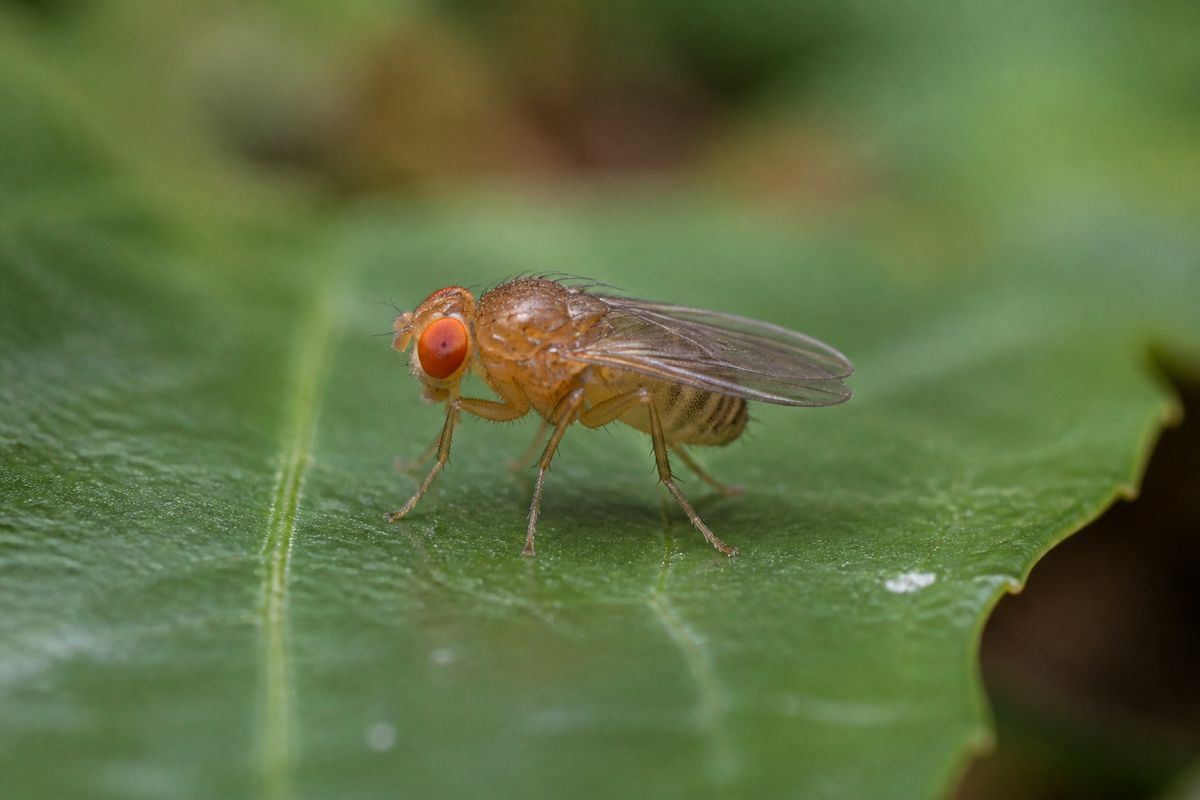
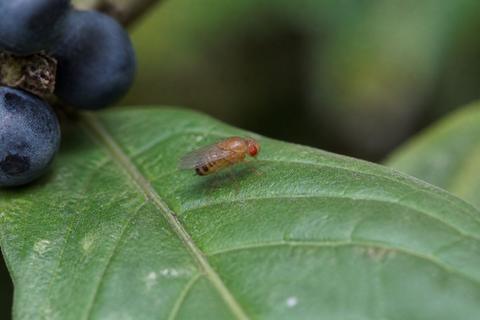
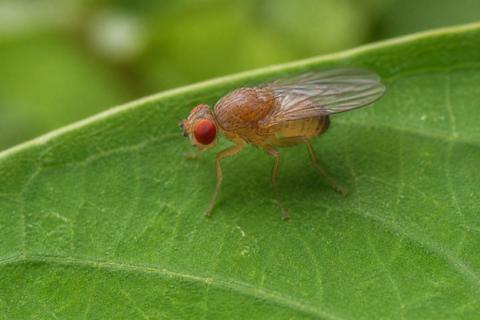
Fruit flies, scientifically known as Drosophila melanogaster, are small insects that have become significant both in the scientific world and in our everyday lives. While they might seem like mere nuisances buzzing around your overripe bananas, there’s a wealth of fascinating information about these tiny creatures. Here are the top 10 facts about fruit flies that everyone should know.
1. A Research Staple
Drosophila melanogaster has been a staple organism in genetic research for over a century. The simplicity of their genome and their rapid life cycle make them ideal subjects for studying genetics, development, and behavior. Researchers have utilized fruit flies to discover fundamental principles of heredity, leading to groundbreaking insights in biology.
Genetic Similarities
Interestingly, humans share approximately 60% of their genes with fruit flies. This genetic similarity means that studying Drosophila can yield insights into human biology and diseases, including cancer and neurological disorders.
2. Short Life Cycle
Fruit flies have an incredibly short life cycle, typically living for about 30 days. They can go from egg to adulthood in just about a week under ideal conditions. This rapid development makes them a perfect model organism for experiments where researchers need quick results.
Generational Studies
Due to their short life span, scientists can study multiple generations within a few months. This allows researchers to observe evolutionary changes and genetic variations over relatively short periods.
3. Excellent Sense of Smell
Fruit flies possess an extraordinary sense of smell that helps them locate food sources. They have around 50 different olfactory receptor genes, enabling them to detect chemical signals in the environment, including the scent of rotting fruit, which is their primary food source.
Behavioral Responses
The ability to smell is not just for finding food; it also plays a role in mating behaviors and social interactions among fruit flies. Their keen sense of smell helps them identify potential mates and navigate their environments.
4. The Role of Taste
In addition to their remarkable olfactory abilities, fruit flies also have sophisticated taste receptors on their feet and inside their mouths. They can differentiate between sweet and bitter substances, which influences their feeding habits.
Feeding Preferences
Fruit flies are attracted to sugars and other sweet substances while being deterred by bitter compounds, which often indicate toxicity in plants. This taste sensitivity is crucial for their survival as it guides them toward safe food sources.
5. Mating Behavior
Fruit fly mating rituals are quite complex and involve a series of courtship behaviors initiated by males. These interactions include wing vibrations (courtship songs), tactile stimulation, and pheromone release to attract females.
Sexual Selection
Male fruit flies engage in competition for females, often leading to aggressive behaviors toward rival males. This dynamic contributes to sexual selection processes that help maintain genetic diversity within the population.
6. Genetic Engineering Breakthroughs
The study of fruit flies has led to significant advancements in genetic engineering techniques. Scientists have developed various methods to manipulate the Drosophila genome, such as CRISPR-Cas9 technology.
Insights into Gene Function
By altering specific genes, researchers can better understand gene function and regulation, paving the way for advances in gene therapy and treatment for genetic disorders in humans.
7. Importance in Evolutionary Biology
Fruit flies serve as an essential model for evolutionary biology studies due to their rapid generation time and varied genetic traits. They provide valuable data on evolution through natural selection processes.
Adaptive Evolution Studies
Researchers use Drosophila populations to observe how traits evolve over time under varying environmental pressures. This research sheds light on adaptation mechanisms that occur in other species, including humans.
8. Pest Control Relevance
While often seen as pests themselves when they invade homes and kitchens, fruit flies play roles in pest control dynamics within ecosystems. They serve as prey for various predators like spiders and birds.
Impact on Agriculture
Conversely, fruit flies can be harmful to agriculture as they reproduce quickly and can damage crops by laying eggs on ripe fruits. Understanding their life cycle and behavior is critical for developing effective pest management strategies in agriculture.
9. The Role of Microbiota
Recent studies have shown that fruit flies harbor diverse microbiota within their intestines that influence their health, behavior, and even lifespan. The gut microbiome plays a key role in digestion and nutrient absorption.
Human Health Insights
Research on fruit fly microbiota provides valuable insights into human microbiomes because many gut bacteria found in Drosophila are also present in humans. Such studies may lead to breakthroughs in understanding gut health-related diseases.
10. Cultural Significance
Despite being small insects often regarded as pests, fruit flies have made their mark beyond scientific research; they have appeared in literature, art, and popular culture representing issues like decay or the transient nature of life.
Symbolism
In literature and art, fruit flies symbolize various concepts such as mortality or the inevitable decay associated with aging – serving as reminders of life’s fragility.
Conclusion
Fruit flies may be minuscule creatures that flit around your kitchen cupboard but hold immense significance across various fields ranging from genetics to evolutionary biology and even cultural symbolism. Their durability as a research organism continues to provide insights into complex biological processes that affect all living beings, including humans, making them far more than just an annoyance during summer picnics or backyard barbecues.
Understanding these fascinating facts about fruit flies not only enriches our knowledge of these tiny beings but also highlights the interconnectedness of life forms on Earth, a reminder that even the smallest creatures can have far-reaching impacts on science, agriculture, health, and culture alike!