Where Do Bumblebees Live? Nests, Range, and Climate Limits
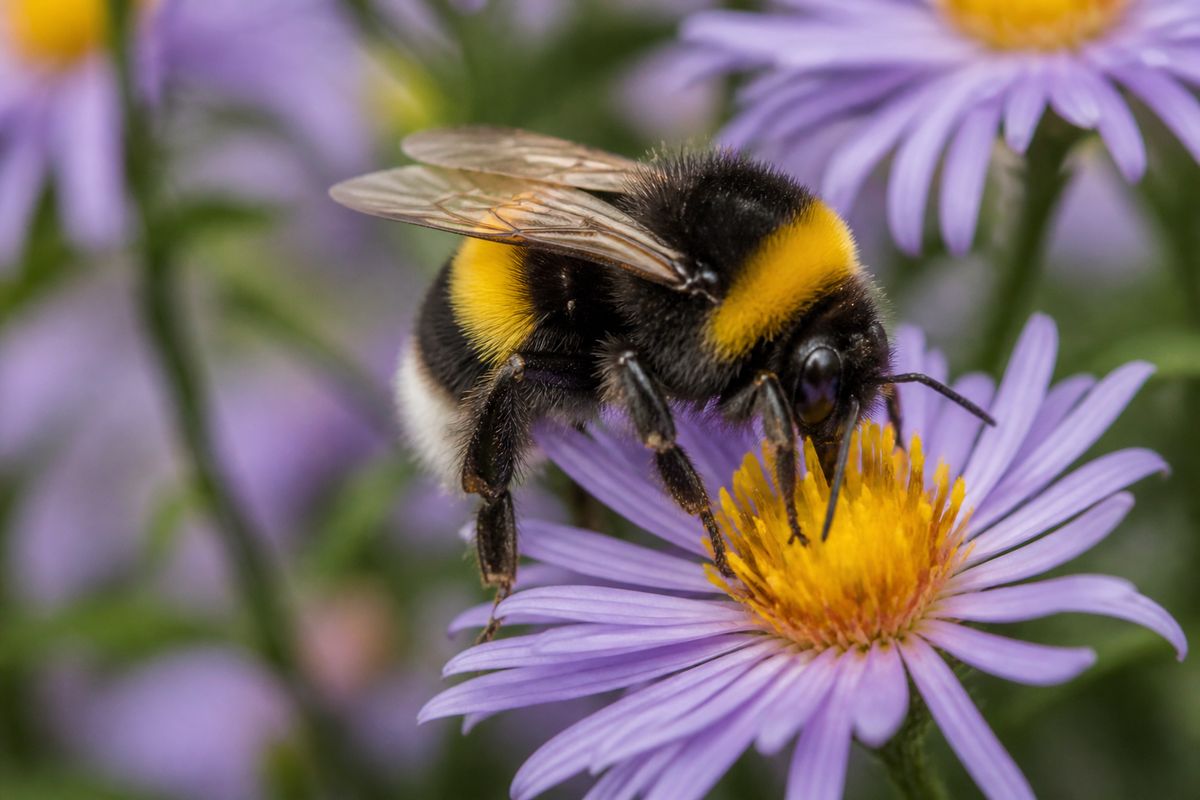
Where do bumblebees live? Mostly in temperate regions of the Northern Hemisphere, nesting underground in abandoned rodent burrows, under grass tussocks, or in compost heaps and old sheds. The genus Bombus includes around 250 species worldwide, with close to 50 found north of Mexico. Their thick, insulating pile of hair lets them forage in conditions that ground most other bees, including light rain and temperatures barely above freezing.
What a Bumblebee Nest Actually Looks Like
Unlike honeybees, bumblebees don't build wax combs in a hive. A colony usually starts each spring when a single mated queen, having overwintered alone underground, finds a cavity, an old mouse nest, a clump of dead grass, or a gap under a shed floor works well, and builds wax pots for eggs and stored nectar. Colonies stay small compared to honeybees: most top out between 50 and 400 workers before the whole nest dies off in autumn, leaving only new queens to hibernate and start over.
Preferred Habitat
Grasslands and Meadows
Open, flower-rich ground is the core habitat: unmown meadows, roadside verges, and grasslands with clover, thistle, and vetch in bloom from spring through late summer. A colony needs a continuous run of blooms nearby, not just one good patch, because foragers rarely travel more than a kilometer or two from the nest.
Farmland Margins
Bumblebees also nest along field edges, hedgerows, and fallow strips next to crops like squash, blueberries, and tomatoes, all of which rely on bumblebee "buzz pollination" to shake pollen loose. Farms that keep wildflower margins or leave hedgerows uncut tend to support noticeably larger colonies than those mowed to the property line.
Urban and Suburban Gardens
Bombus impatiens, the common eastern bumblebee, is one of the most common bumblebees across eastern North America and readily nests in urban, suburban, and farmland settings alike. A backyard with lavender, bee balm, or native asters can support a full colony from spring emergence to the first frost, even in the middle of a city block.
Temperature, Altitude, and Timing
Cold Tolerance
Bumblebees can shiver their flight muscles to raise their body temperature well above the surrounding air, which is how queens get moving on cool spring mornings when honeybees stay in the hive. This tolerance is also why bumblebee range extends further north and higher into the mountains than almost any other bee genus.
Elevation
Some species stick to lowland fields; others, like the yellow-banded bumblebee (Bombus terricola), turn up in cooler upland habitat where fewer competing pollinators are active. As elevation climbs, flowering plants thin out fast, and bumblebee diversity thins out along with them.
The Colony's Yearly Cycle
A single queen emerges alone in spring, founds a nest, and raises the first batch of workers by herself. Workers then take over foraging while the queen stays in the nest laying eggs. By late summer the colony produces new queens and males, mating happens, and every bee except the newly mated queens dies before winter.
Where Bumblebees Are Found Around the World
North America
Species diversity is highest across the northern and mountain states, with fewer species as you move into the Deep South. Bombus impatiens dominates the East Coast, while western states host distinct species such as the western bumblebee, now uncommon across much of its former range.
Europe
Europe hosts a wide range of bumblebee species, from lowland Britain to alpine Switzerland. The UK has lost multiple bumblebee species since the 1940s as intensive farming eliminated wildflower meadows, which is part of why hedgerow and margin restoration is now a standard part of UK agri-environment schemes.
Asia
Japan and China both host bumblebee species that pollinate crops such as tomatoes and apples commercially, with populations ranging from temperate farmland up into Himalayan foothills.
Australia
Australia has no native bumblebee species, but the large earth bumblebee (Bombus terrestris) was deliberately introduced to Tasmania in 1992 and is now widespread there, competing with native bees for flowers and nest sites.
What's Shrinking Bumblebee Habitat
Habitat Loss
Converting meadows and hedgerows to row crops or subdivisions removes both nest sites and the season-long bloom that colonies depend on. A field that flowers for three weeks in June cannot support a colony that needs forage from March through September.
Pesticides
Field-realistic exposure to a neonicotinoid pesticide has been shown to reduce bumblebee foraging performance, with treated colonies bringing back pollen less often even on longer foraging trips. Chronic exposure at the colony level has been linked to fewer new queens produced per nest.
Climate Change
Warmer winters can deplete a queen's fat reserves before spring, pushing emergence earlier than the flowers she depends on. Shifts like this have already been tied to range contraction in species such as the rusty-patched bumblebee, now federally endangered in the United States.
What Actually Helps
Planting for a Full Season
A pollinator garden works best with something blooming from the first crocuses through fall asters, since a single burst of color in June leaves colonies without food the rest of the year. Leaving a patch of bare or grassy ground undisturbed also gives queens somewhere to nest.
Buying From Lower-Spray Farms
Produce grown without routine neonicotinoid seed treatments reduces the pesticide load bumblebees pick up while foraging on nearby wildflowers, not just on the crop itself.
Reporting Sightings
Programs like the Bumble Bee Atlas rely on volunteers photographing and logging bees by species and location, data that's used to track which populations are declining and where habitat protection is working.
The Short Version
Bumblebees live wherever there's a nest cavity and a season-long supply of flowers nearby, from suburban flowerbeds to mountain meadows well above the treeline. Protecting that combination, undisturbed ground to nest in and continuous bloom to forage on, does more for their numbers than any single action on its own.