Where Do Honey Bees Live? Hollow Trees to Rooftops
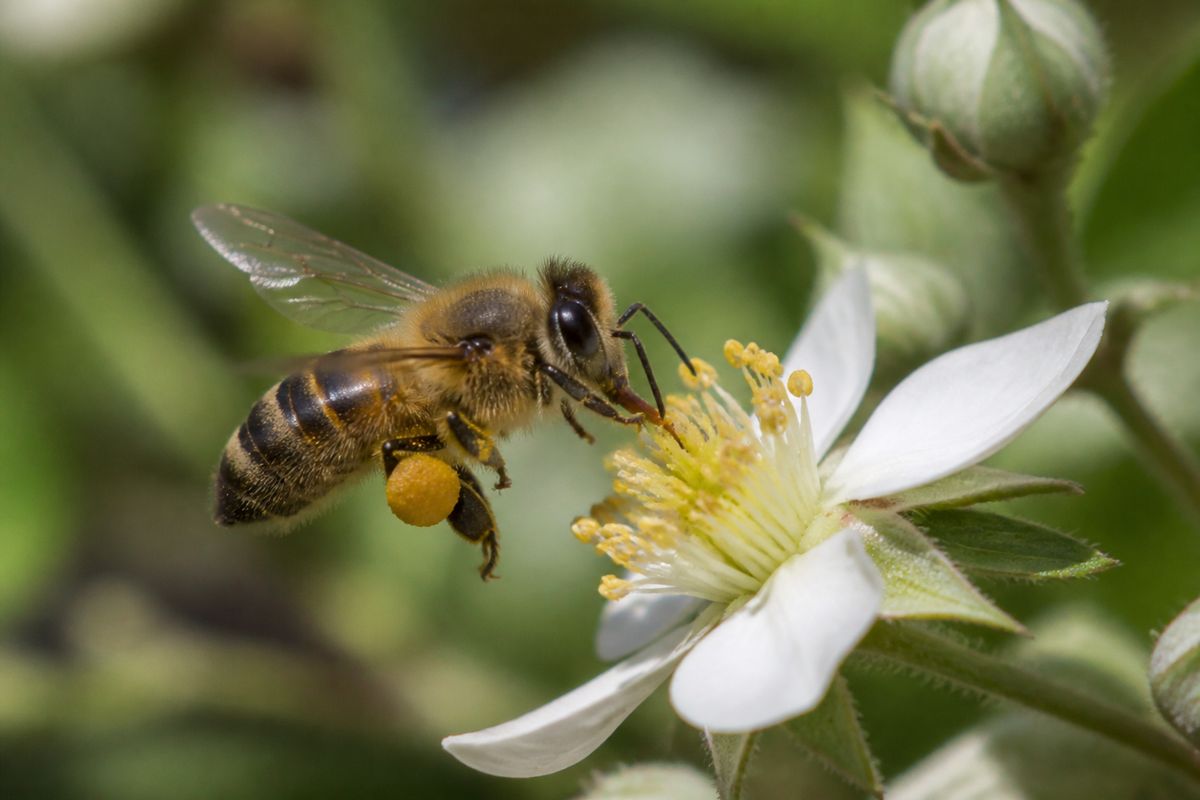
Where do honey bees live? A wild colony of Apis mellifera nests in an enclosed cavity, typically a hollow tree trunk, though managed colonies live in wooden hive boxes that beekeepers place near farms, gardens, and city rooftops. The species originated in Europe, Africa, and the Middle East and has since been introduced to every continent except Antarctica, so the honest answer depends on whether you mean a wild nest or a kept hive.
What a Wild Colony Looks for in a Nest Site
Scout bees do not settle for the first opening they find. Research on wild colonies shows they favor an enclosed cavity of roughly 40 liters, big enough to store a winter's worth of honey but small enough to stay warm. A small, easily defended entrance, dry, dark, and free of other insects seals the deal.
Hollow Trees
A gap in a trunk left by a broken branch or old woodpecker hole, sealed at the top and insulated by thick living wood, keeps a colony warm through winter and dry through storms. Colonies that find this kind of cavity can persist for years, sometimes decades, in the same tree.
Rock Crevices and Cliff Faces
Where trees are scarce, colonies nest in rock crevices, cave mouths, and cliff overhangs. The mechanics are the same: an enclosed, defensible space that traps warmth and blocks rain.
Man-Made Cavities
Wall voids, chimneys, attics, and abandoned vehicles all meet a scout bee's checklist just as well as a tree does, which is why swarms sometimes move into a house instead of a woodlot.
Managed Hives: Farms, Gardens, and Rooftops
Most honey bees a person actually sees are not wild colonies but managed ones. Beekeepers house them in Langstroth, top-bar, or Warre hives and truck or place them wherever there is forage and a pollination contract. Almond orchards, apple orchards, and vegetable fields depend on rented colonies during bloom, and urban beekeeping has put hives on rooftops in New York, Chicago, and other cities where parks and gardens supply enough nectar and pollen.
Where Honey Bees Are Found Worldwide
The western honey bee's native range covers Europe, the Middle East, and Africa; humans have since carried it to the Americas, Australia, and parts of Asia, so feral and managed colonies now turn up on six continents.
North America
Honey bees were brought to North America by European colonists in the early 1600s and are now kept commercially in every U.S. state, with California's almond bloom alone requiring well over a million rented colonies each February.
Europe
Apis mellifera is native here, and countries including Germany, France, and Italy maintain large managed populations alongside surviving wild-living colonies in old-growth forest reserves.
Asia
Asia hosts several honey bee species besides the introduced western honey bee. The giant honey bee, Apis dorsata, has a widespread distribution throughout southern Asia and builds a single large exposed comb under tree branches or cliff overhangs rather than nesting in a cavity, unlike Apis mellifera.
Africa
Apis mellifera scutellata, the subspecies behind the "Africanized" honey bee found in the southern United States, nests the same way European bees do but defends the colony far more aggressively; where a European colony might send out 10 to 20 defenders, an Africanized colony can attack the same intruder with hundreds of bees.
Australia
Introduced in the 1820s, the western honey bee is now widespread across Australia and central to crop pollination there, alongside native stingless bees that fill a different ecological niche.
What Determines Whether a Site Works
Cavity Size and Shelter
Nest-site scouts measure a cavity by walking its interior surfaces, and colonies that settle for undersized cavities tend to swarm or starve the following winter, while oversized ones cost too much energy to heat.
Forage Within Flight Range
A colony can forage up to four miles from the hive, covering roughly 50 square miles, but most workers stick to sources within a mile or two because the energy cost of longer trips cuts into the colony's honey surplus. Season-long bloom, from early fruit trees through late-season goldenrod and aster, matters more than any single flower species.
Pesticide Exposure
Neonicotinoid and other insecticide residues in nectar and pollen can weaken or kill a colony outright, which is why beekeepers and conservation groups push for reduced spraying near bloom and buffer strips around treated fields.
Helping Honey Bees Where You Live
Planting a sequence of bloom from spring through fall, cutting back on broad-spectrum insecticides, and leaving a dead or hollow tree standing when it is safe to do so all give both wild colonies and managed hives more places to nest and forage. None of it requires keeping bees yourself, just leaving enough flowers and shelter in reach.
Sources
- American Bee Journal, "Bees and Trees"
- University of Florida IFAS Extension, EENY646/IN1119 (Giant Honey Bee, Apis dorsata)
- University of Florida IFAS Extension, EENY429/IN790 (African Honey Bee, Apis mellifera scutellata)
- UC ANR (University of California Agriculture and Natural Resources), "The Foraging Force of a Honey Bee Colony"