Unique Characteristics of Rare and Exotic Beetles
Beetles, belonging to the order Coleoptera, represent one of the most diverse groups of animals on Earth. With over 350,000 identified species, they exhibit a remarkable variety of shapes, sizes, colors, and behaviors. Among these countless species, rare and exotic beetles stand out not only for their scarcity but also for their unique characteristics that amaze entomologists and nature enthusiasts alike. In this article, we will delve into the fascinating world of rare and exotic beetles, exploring their defining traits, habitats, behaviors, and the conservation challenges they face.
The Diversity of Beetles
Morphological Variations
Beetles can be found in nearly every habitat on the planet, from rainforests to deserts. This vast range of environments has led to incredible morphological adaptations. Rare and exotic beetles often display highly specialized features that reflect their unique ecological niches. For instance:
-
Coloration: Many exotic beetles are adorned with vibrant colors and intricate patterns. For example, the golden tortoise beetle (Charidotella sexpunctata) has a striking metallic sheen that changes with light exposure. This iridescence not only serves aesthetic purposes but also plays a role in camouflage and mating displays.
-
Size: Beetles can vary tremendously in size, from the tiny featherwing beetle (Coelocorynus rubra), which is just 0.5 mm long, to the colossal titanus giganteus, which can reach lengths of up to 16 cm. Such size variations are often adaptive responses to environmental conditions and predation pressures.
-
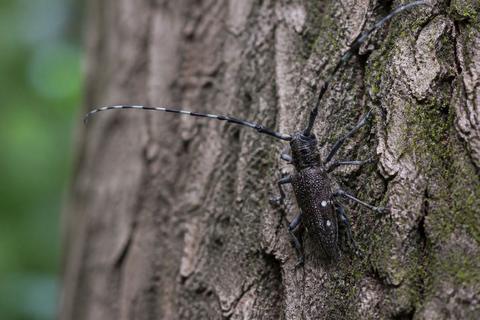
Physical Adaptations: Some rare beetles have developed unique physical features tailored to their survival strategies. The longhorn beetle (Batocera rufomaculata) possesses elongated antennae that can be several times the length of its body. This adaptation aids in detecting pheromones released by potential mates from a distance.
Behavioral Traits
The behavior of rare and exotic beetles is as varied as their physical characteristics. Their behaviors often reflect their ecological roles and evolutionary adaptations.
-
Mating Rituals: Many exotic beetles engage in elaborate courtship displays. For instance, male jewel beetles (Chrysochroa fulgidissima) are known for performing complex dances to attract females. These displays often involve showcasing their bright colors and unique movements.
-
Defense Mechanisms: Certain beetles have evolved remarkable defense strategies to deter predators. The bombardier beetle (Brachinus spp.) possesses a unique chemical defense system that allows it to expel a hot, noxious spray from its abdomen when threatened. This spray can reach temperatures of nearly 100 degrees Celsius and serves as a potent deterrent against predators.
Habitat Specialization
Rare and exotic beetles often inhabit specific ecosystems that support their unique life cycles and behaviors. Understanding these habitats is crucial for appreciating their ecological roles.
-
Endemism: Many rare beetle species are endemic to particular regions, meaning they are found nowhere else on Earth. For example, the flightless weevil (Pseudopentaria spp.) is native to isolated islands and has adapted to life without natural enemies.
-
Microhabitats: Some exotic beetles occupy specialized microhabitats within broader ecosystems. The leafcutter ants’ fungus-growing symbiosis attracts rare species such as the leafcutter beetle (Atta cephalotes), which rely on these ants for food resources.
Conservation Challenges
Despite their intriguing characteristics, many rare and exotic beetles face significant threats that jeopardize their survival.
Habitat Loss
One of the most pressing issues confronting rare beetle species is habitat destruction due to human activities such as deforestation, urbanization, and agriculture. The fragmentation of ecosystems disrupts breeding grounds and decreases genetic diversity.
Climate Change
Climate change poses an additional threat to beetle populations. Changes in temperature and precipitation patterns can alter habitats and affect food availability. For instance, shifts in climatic conditions may push certain species into higher altitudes or latitudes where they may struggle to compete with more adaptable species.
Pollution
The use of pesticides and pollution from industrial processes can devastate local ecosystems. Many rare beetles are sensitive to chemical exposure; thus, agricultural runoff can lead to population declines or even extinction in vulnerable species.
Notable Examples of Rare and Exotic Beetles
To further illustrate the unique characteristics of rare beetles, here are several noteworthy examples:
1. Goliath Beetle (Goliathus goliatus)
Goliathus goliatus is one of the largest beetle species on Earth, with some individuals weighing over 100 grams (3.5 ounces) and measuring up to 11 cm (4 inches) in length. Native to Africa’s tropical forests, these beetles exhibit sexual dimorphism, males display impressive horns used in combat during mating rituals.
2. Rainbow Scarab Beetle (Cetonischema aureola)
This strikingly colorful scarab is found in Southeast Asia and is known for its beautiful iridescent exoskeletons that shimmer in various hues when exposed to light. Its vibrant coloration serves both as camouflage amidst foliage and as a visual signal during courtship.
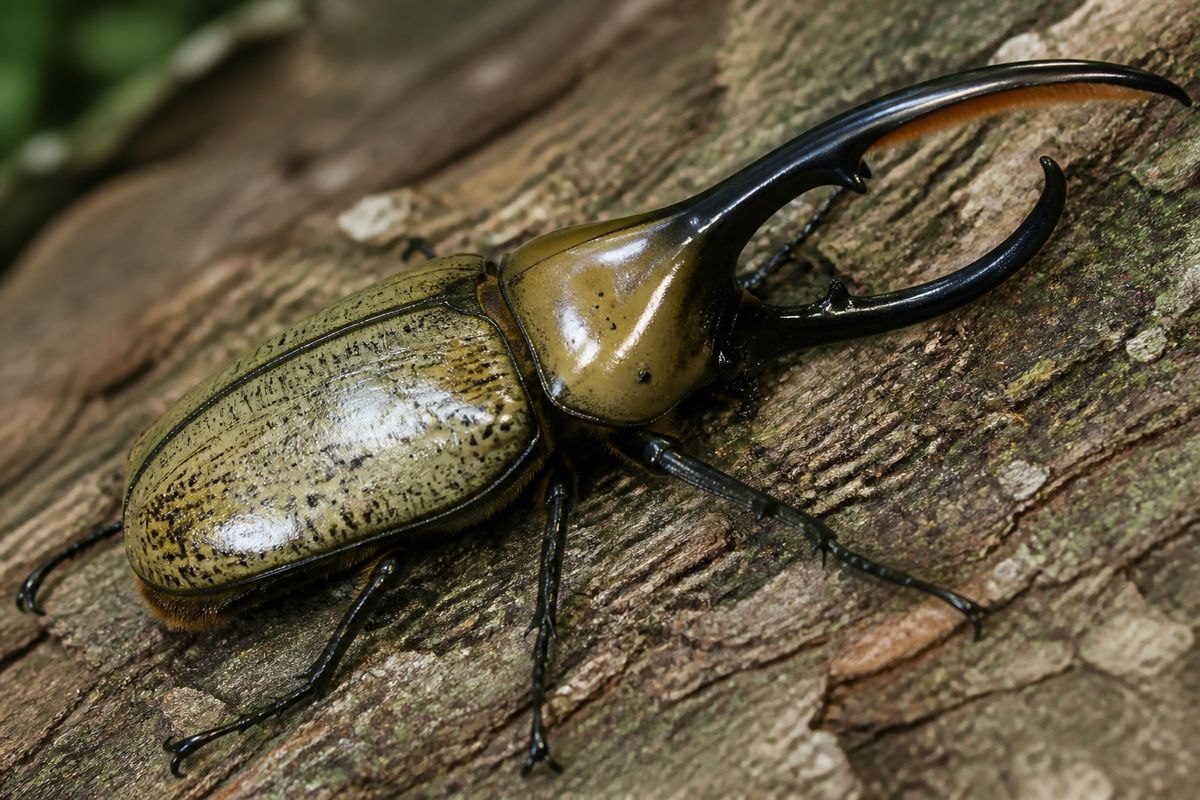
3. Hercules Beetle (Dynastes hercules)
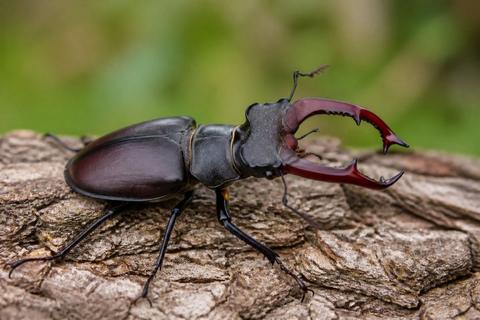
As one of the heaviest insects on record, Hercules beetles can weigh up to 100 grams (3.5 ounces). Their impressive size is accompanied by large horns on males used for wrestling during mating competitions. Found primarily in Central and South America’s rainforests, these magnificent creatures illustrate nature’s extremes in form.
The Importance of Conservation
Conservation efforts aimed at protecting rare and exotic beetle populations are critical for maintaining biodiversity and ecosystem health. These efforts include:
-
Habitat Restoration: Initiatives focused on restoring degraded habitats can support populations of rare species by providing essential resources for survival.
-
Research and Monitoring: Ongoing research is vital for understanding the ecology of rare beetle species and monitoring population trends. This information can guide conservation strategies effectively.
-
Public Awareness: Educating communities about the importance of biodiversity, including uncommonly known creatures like exotic beetles, can foster appreciation for nature’s complexity.
Conclusion
Rare and exotic beetles offer a glimpse into nature’s astounding diversity through their unique characteristics and behaviors. Their specialized adaptations reflect millions of years of evolution driven by environmental pressures and ecological needs. However, as human activities continue to threaten these incredible insects’ habitats and existence, it becomes increasingly essential to advocate for their protection through conservation efforts.
By acknowledging the significance of these remarkable creatures, not just for their beauty but also for their roles within ecosystems, we pave the way for a deeper understanding of our planet’s biodiversity that ultimately benefits all living organisms.