Understanding Microhabitats: Small Spaces That Impact Bug Survival
Microhabitats are fascinating ecological niches that play a crucial role in the survival of various insect species. These small, often overlooked spaces provide essential resources and conditions that allow bugs to thrive. In this article, we will delve into the world of microhabitats, their characteristics, how they influence insect life cycles, and their overall significance in ecosystem dynamics.
What is a Microhabitat?
A microhabitat refers to a small, specific area within a larger habitat where particular environmental conditions differ from the surrounding space. These unique conditions can include variations in moisture, temperature, substrate type, or vegetation. Common examples of microhabitats include:
- The underside of leaves
- Decaying logs
- Pockets of soil in a garden
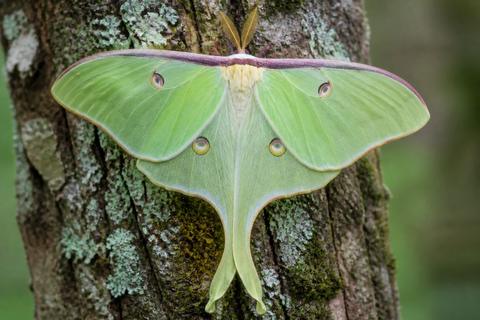
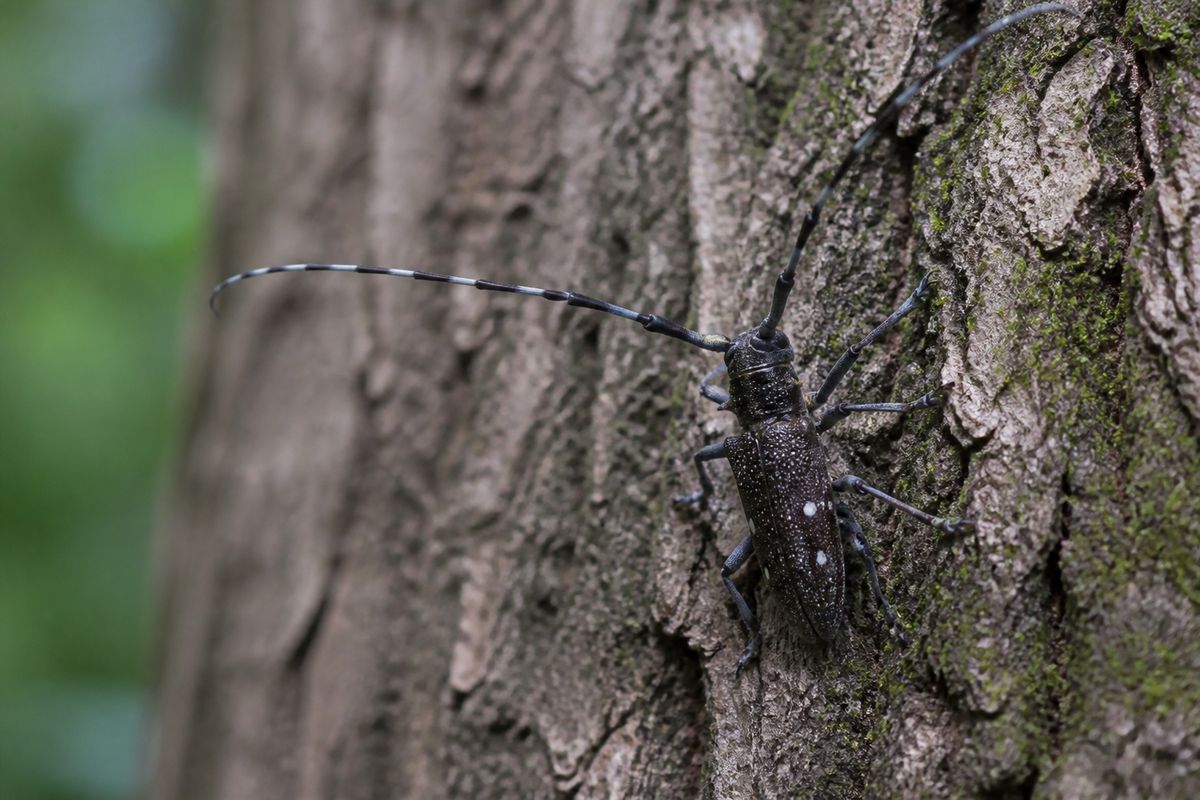
- Tree bark crevices
- Lichen-covered rocks
These small spaces are critical for many insects as they offer shelter, food sources, and breeding grounds.
Characteristics of Microhabitats
Microhabitats are defined by several key characteristics:
1. Diversity of Conditions
Microhabitats often feature varied conditions compared to their surrounding areas. For instance, a damp area beneath a rock may support different insect species than the dry soil around it. This diversity enables various bugs to specialize in these niches.
2. Resource Availability
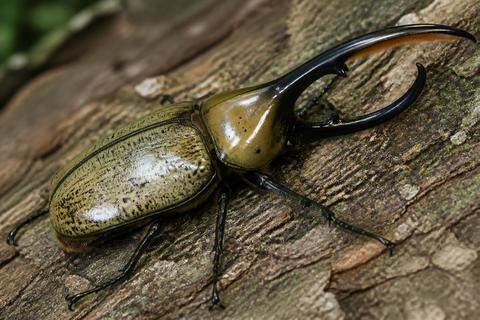
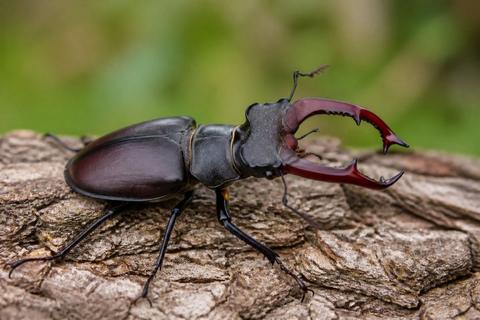
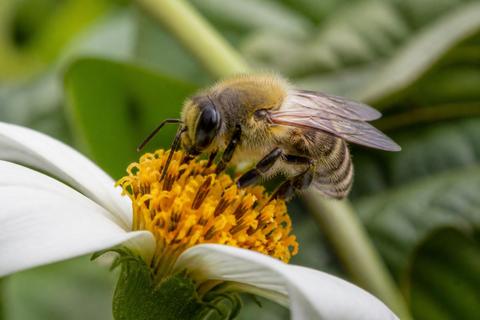
The availability of resources such as food and water is often concentrated in microhabitats. For example, decaying organic material can attract decomposers like beetles and larvae, while specific plants may be rich in nectar that attracts pollinators.
3. Microclimates
Microhabitats can create distinct microclimates. Factors such as shade from foliage or the protection from wind provided by rocks can make conditions more favorable for certain insect species. Temperature fluctuations may be less severe within these small areas compared to their broader environment.
4. Structural Complexity
The physical structure of a microhabitat can provide shelter from predators or harsh environmental conditions. Complex structures like leaf litter or dense underbrush offer hiding spots that enhance survival odds for vulnerable insects.
The Importance of Microhabitats for Bug Survival
Microhabitats are not just interesting ecological features; they serve essential functions that affect the life cycles and survival strategies of insects.
1. Breeding Grounds
Many insects utilize microhabitats for reproduction. For instance, female mosquitoes lay their eggs in stagnant water bodies like puddles or ponds, classic microhabitats that provide ideal conditions for larvae development. Similarly, some beetles prefer to lay their eggs within decaying wood where larvae will have an immediate food source upon hatching.
2. Foraging and Feeding Areas
Microhabitats often host abundant food resources necessary for insect survival. Ants might forage in leaf litter while butterflies sip nectar from specific flowers growing in a given area. The existence of these localized feeding grounds becomes vital during times when food is scarce elsewhere.
3. Protection from Predators
Insects are preyed upon by a myriad of predators, birds, frogs, other insects, and more. Microhabitats provide essential refuge; for example, spiders weave webs in dense foliage to catch unsuspecting flies while remaining concealed themselves.
4. Climate Resilience
As climate change alters global weather patterns, the resilience provided by microhabitats becomes increasingly important. They can buffer temperature extremes and help stabilize moisture levels for insects that may be sensitive to climate variations, thereby supporting their survival amid changing environmental conditions.
Types of Microhabitats and Their Inhabitants
Microhabitats vary widely depending on their location and environmental factors. Here are some common types and the insects typically associated with them:
1. Leaf Litter
Leaf litter on forest floors is a rich microhabitat teeming with biodiversity. It provides habitat for numerous insects such as:
- Ants: They build nests in the soil beneath leaves and hunt for food.
- Beetles: Many species feed on decaying organic matter found here.
- Springtails: Tiny arthropods that thrive in moist leaf litter.
2. Rock Crevices
Rock crevices create stable microenvironments that host:
- Lichens: Serving as food sources for certain moths.
- Ants: Often nesting in these sheltered spaces.
- Spiders: Finding refuge while waiting to ambush prey.
3. Water Bodies
Small ponds or puddles function as vital breeding grounds for various aquatic insects:
- Dragonflies: Lay eggs in or near water sources.
- Mosquitoes: Utilize stagnant water bodies for breeding.
- Water Striders: Adapted to living on water surfaces.
4. Decaying Wood
Rotting logs are not just waste; they are thriving habitats:
- Woodboring Beetles: Larvae feed within the wood.
- Fungi: Attract decomposers like slugs and beetles.
- Termites: Play a critical role in breaking down cellulose materials.
Conservation of Microhabitats
Despite their importance, microhabitats face threats from urbanization, pollution, deforestation, and climate change. Conserving these spaces is crucial for maintaining biodiversity among insects and other organisms that rely on them.
1. Preserving Natural Landscapes
Conservation efforts should focus on protecting natural landscapes where microhabitats exist. Forests, wetlands, and meadows must remain intact to allow diverse ecosystems to flourish.
2. Creating Sustainable Practices
Gardening practices can encourage beneficial insects by maintaining diverse plant life and minimizing chemical use. Implementing features such as native plants or leaving brush piles can promote healthy insect populations naturally.
3. Awareness and Education
Public awareness about the significance of microhabitats can lead to more responsible stewardship of environments, encouraging individuals to appreciate even the smallest spaces where bugs reside.
Conclusion
Microhabitats play an indispensable role in sustaining insect populations across various ecosystems by providing resources necessary for survival, reproduction, and adaptation against environmental pressures. Understanding these small yet significant spaces highlights the intricate relationships within nature, showing how every element contributes to the larger web of life. As stewards of our environment, it’s essential to appreciate and protect the microhabitats that serve as sanctuaries for countless insect species critical to biodiversity and ecological balance.