How Agricultural Practices Shape Insect Habitats in Farmlands
Insect populations play a crucial role in agriculture, influencing the health of ecosystems and crop productivity. However, agricultural practices significantly impact these habitats, often leading to both positive and negative consequences for insect populations. Understanding the relationship between agriculture and insects is essential for sustainable farming practices that promote biodiversity while ensuring food security. This article explores various agricultural practices and their implications for insect habitats in farmlands.
The Role of Insects in Agriculture
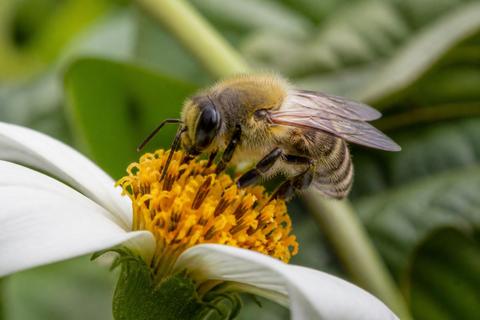
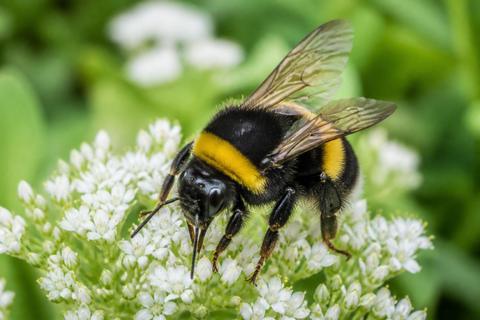
Insects contribute to agricultural systems in multiple ways. Pollinators, such as bees and butterflies, are vital for the reproductive success of many crops. Additionally, predatory insects help control pest populations, reducing the need for chemical pesticides. Decomposers, like beetles and ants, break down organic matter, enriching the soil and facilitating nutrient cycling. Given their importance, it’s crucial to examine how different agricultural practices influence these insect habitats.
Traditional Agricultural Practices
Historically, traditional farming practices were more in tune with the natural environment. Crop rotation, intercropping, and polyculture farming increased biodiversity and supported various insect species. These practices often resulted in diversified landscapes that provided a variety of habitats for insects to thrive.
Crop Rotation
Crop rotation involves alternating the types of crops grown in a specific field over time. This method helps maintain soil fertility, disrupt pest cycles, and reduce disease pressure. By cultivating different plants sequentially, farmers can create a dynamic environment that encourages a diverse range of insects. For example, legumes fix nitrogen in the soil and attract beneficial insects to help with pest control.
Intercropping
Intercropping is the practice of growing two or more crops simultaneously on the same field. This method enhances biodiversity by creating multiple niches for various insects. Different plant species attract different insect populations, contributing to a more balanced ecosystem. For instance, combining flowering plants with vegetables can draw pollinators while also providing habitat for predatory insects.
Polyculture Farming
Polyculture farming refers to a system where multiple crop species are cultivated together. This practice fosters biodiversity by mimicking natural ecosystems where various plants coexist. In such environments, insects benefit from a variety of food sources and habitats, leading to healthier and more resilient populations.
Modern Agricultural Practices
As agriculture has evolved over time, so have farming practices. Many modern techniques have increased efficiency and yields but have also led to significant habitat loss for insects.
Monoculture Farming
Monoculture – the practice of growing a single crop over large tracts of land – has become increasingly common due to its economic advantages. While it allows farmers to specialize in particular crops and increase efficiency, it severely impacts insect habitats.
Monocultures lack biodiversity, which reduces the number of niches available for various insect species. This can lead to declines in pollinator populations and increased pest outbreaks due to the absence of natural predators. As a result, farmers may rely more heavily on chemical pesticides, further harming beneficial insects and disrupting ecological balance.
Pesticide Use
The widespread use of pesticides is one of the most concerning modern agricultural practices affecting insect habitats. While pesticides are designed to target specific pests, they can also harm non-target organisms, including pollinators and beneficial predatory insects.
Neonicotinoids are a class of neurotoxic pesticides linked to declines in bee populations worldwide. These chemicals affect insects’ ability to forage, navigate, and reproduce, ultimately leading to population crashes which can threaten crop production through reduced pollination services.
Land Clearing and Habitat Fragmentation
Intensive agriculture often leads to habitat destruction through land clearing for fields or pastures. This destruction results in habitat fragmentation, breaking up larger ecosystems into smaller patches, making it difficult for insects to find suitable homes or migrate between habitats.
Fragmented landscapes may isolate insect populations from one another, reducing genetic diversity and resilience against environmental changes or diseases. Furthermore, habitat loss limits food sources for many species that rely on diverse flora.
Sustainable Agricultural Practices
To mitigate the negative impacts on insect habitats caused by modern agriculture, sustainable practices are being adopted by an increasing number of farmers worldwide.
Integrated Pest Management (IPM)
IPM is an approach that combines biological control methods with minimal chemical pesticide use. By promoting beneficial insects that prey on pests or introducing natural predators into agricultural systems, farmers can reduce reliance on harmful chemicals while maintaining crop yields.
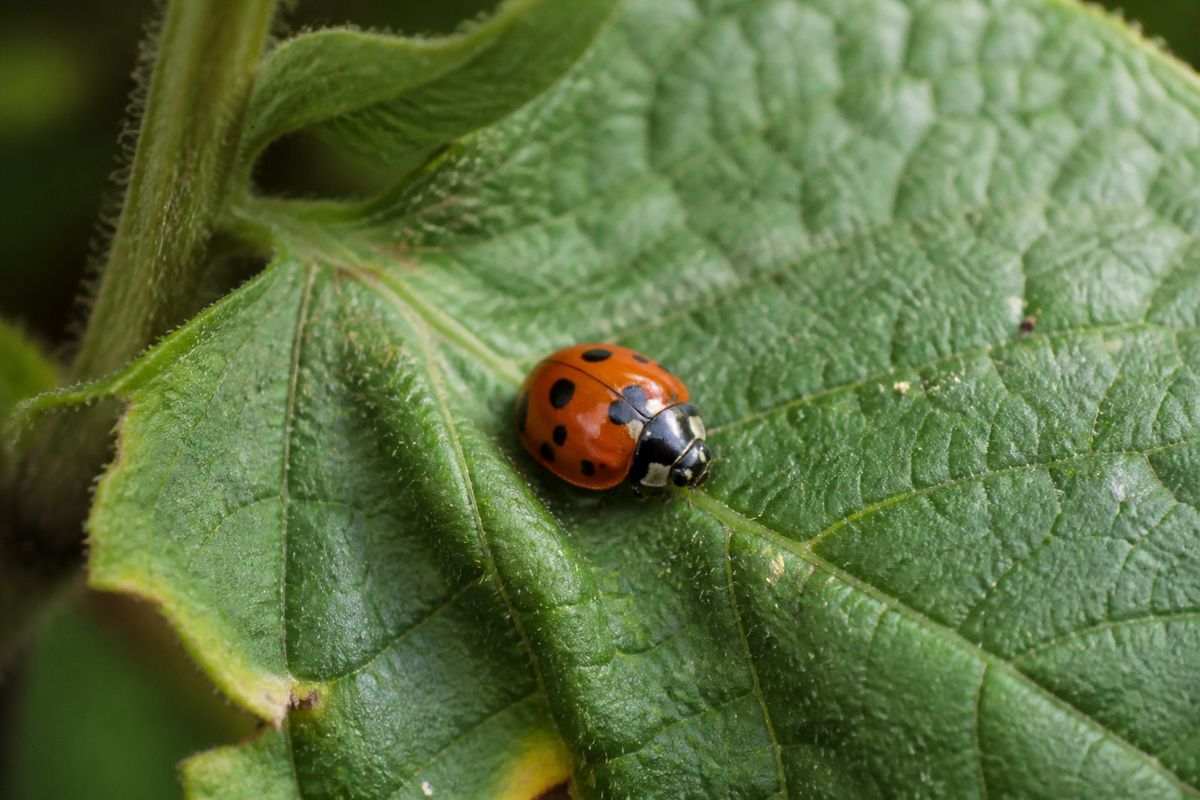
For example, incorporating ladybugs into fields can help control aphid populations naturally. This practice not only preserves beneficial insect habitats but also supports overall ecosystem health.
Organic Farming
Organic farming emphasizes using natural inputs rather than synthetic chemicals and promotes biodiversity through crop rotations and cover crops. Organic farms often maintain hedgerows or wildflower strips that provide shelter and food sources for pollinators and other beneficial insects.
Research suggests that organic farms tend to support higher abundance and diversity of insect species compared to conventional farms. By creating environments conducive to healthy insect populations, organic farming fosters ecological balance within agricultural systems.
Agroforestry
Agroforestry combines agriculture with tree planting within farming systems to create multi-layered ecosystems that offer diverse habitats for insects and other wildlife. Trees provide shade and shelter while promoting nutrient cycling through leaf litter decomposition.
This method can enhance biodiversity by attracting different species of birds and insects that benefit the overall farm ecosystem while providing additional products like fruit or timber alongside traditional crops.
Conclusion
Agricultural practices have profound effects on insect habitats in farmlands. While traditional methods typically foster biodiversity through crop rotation, intercropping, and polyculture farming, modern practices like monoculture farming and pesticide use often lead to detrimental consequences for insect populations.
However, sustainable agricultural practices such as integrated pest management (IPM), organic farming, and agroforestry show promise in improving conditions for insect habitats while maintaining agricultural productivity. By adopting more ecologically sound practices and recognizing the intrinsic value of insects within agricultural systems, we can work towards a future where both farming success and biodiversity thrive hand-in-hand.
Emphasizing this relationship is not just beneficial for insects but ultimately ensures long-term sustainability in agriculture, one that can feed growing populations while preserving our planet’s essential ecosystems.