Discovering Rare and Exotic Moths: A Guide
Moths often fade into the background, overshadowed by their more charismatic counterparts, butterflies. However, these nocturnal creatures are as fascinating as they are diverse. From their intricate patterns to their unique behaviors, moths offer a treasure trove of wonder for enthusiasts and researchers alike. This guide will take you on a journey to discover some of the rarest and most exotic moth species around the globe.
The Diversity of Moths
Moths belong to the order Lepidoptera, which also includes butterflies. While estimates vary, there are approximately 160,000 known moth species worldwide, with new species still being discovered. This diversity means that there are moths that inhabit almost every ecosystem on the planet, from tropical rainforests to arid deserts.
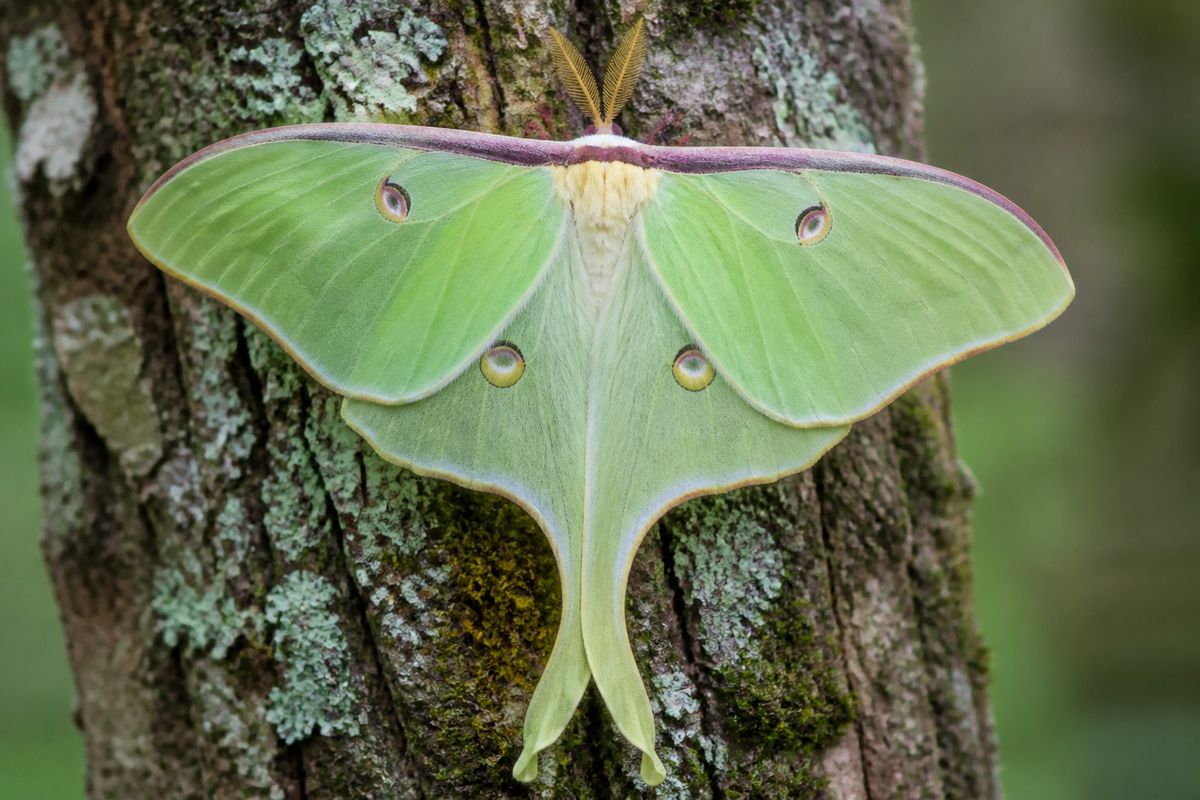
Moths can be classified into two primary groups: macromoths (or “large moths”) and micromoths (or “small moths”). Macromoths include species like the Luna Moth and the Atlas Moth, while micromoths often require keen observation skills to appreciate their beauty fully.
Why Rare and Exotic Moths Matter
Rare and exotic moths contribute significantly to biodiversity. They play essential roles in ecosystems as pollinators, prey for other animals, and indicators of environmental health. Their sensitivity to habitat changes makes them valuable bio-indicators. The decline of certain moth populations can signal larger ecological issues, such as climate change or habitat destruction.
Moreover, many rare moth species exhibit remarkable adaptations that allow them to thrive in specific environments. Understanding these adaptations can provide insights into evolutionary processes and ecological interactions.
Notable Rare and Exotic Moths
1. Atlas Moth (Attacus atlas)
One of the largest moths in the world, the Atlas Moth can have a wingspan of up to 10 inches (25 cm). Native to Southeast Asia, this moth is recognized for its striking coloration and unique wing patterns that resemble snake heads, an evolutionarily beneficial trait for deterring predators.
The Atlas Moth primarily feeds on nectar from various flowers during its short adult life span, which lasts only about a week. Due to habitat loss and deforestation in its native regions, this magnificent creature faces increasing threats.
2. Hyalophora cecropia (Cecropia Moth)
Commonly found in North America, the Cecropia Moth is one of the largest native moths in the region. With a wingspan reaching up to 6 inches (15 cm), it is characterized by its vibrant red body adorned with yellow-orange stripes and eye spots on its wings.
The Cecropia Moth is particularly unique because it undergoes a prolonged larval stage and can take up to two years to mature before it emerges as an adult. While not classified as endangered, habitat loss poses a risk to their populations.
3. Gynandromorph Moths
Gynandromorphism is a fascinating phenomenon wherein individuals possess both male and female characteristics. This occurrence has been documented in several moth species, leading to unique colorations and patterns that captivate researchers and collectors alike.
One notable example includes a Gynandromorph of the Polygonia comma butterfly, a member of the Nymphalidae family, although not technically a moth, it highlights the beauty of such genetic oddities across Lepidoptera.
4. The Titan Arum Moth (Thysania agrippina)
Often referred to as the “White Witch” due to its striking appearance, Thysania agrippina boasts one of the longest wingspans of any moth, measuring up to 12 inches (30 cm). Found predominantly in South America and parts of Central America, this nocturnal giant is known for its stark white wings with delicate black markings.
The White Witch’s size makes it particularly vulnerable, as it has few natural predators due to its formidable appearance. However, deforestation poses a grave threat as it continues to diminish their habitats.
5. The Rosy Maple Moth (Dryocampa rubricornis)
This charming species can be found primarily in North America during spring and summer months. With a striking combination of pink and yellow hues on its wings, the Rosy Maple Moth captivates both casual observers and avid entomologists.
While not considered rare overall, localized populations may be affected by specific environmental changes or urbanization. Protecting habitat areas is crucial for ensuring their survival.
Habitats Where Rare Moths Thrive
Moths are adaptable insects found in various habitats across the globe:
Rainforests
Tropical rainforests are home to numerous exotic moth species due to their rich biodiversity and year-round availability of food sources. High humidity levels create ideal conditions for growth and reproduction.
Deserts
Certain moths have adapted to desert environments by developing specialized feeding habits or nocturnal lifestyles that help them avoid extreme daytime temperatures.
Grasslands
Grasslands provide habitats for many macromoths whose larvae feed on grasses or wildflowers. These ecosystems are essential for maintaining healthy biodiversity.
Urban Environments
Surprisingly, urban settings can also support unique populations of moths if adequate green spaces exist. Community gardens or parks can create vital habitats for rare species looking for food sources or breeding grounds.
How to Observe and Study Rare Moths
If you’re interested in discovering rare and exotic moths yourself, here are some practical tips:
Understand Local Species
Familiarize yourself with local moth species through field guides or apps dedicated to entomology. Knowing which species you might encounter will enhance your experience.
Timing is Key
Most moths are nocturnal; therefore, evening hours are ideal for observing them in action. Use outdoor lights such as porch lights or UV black lights to attract them.
Use Bait Traps
Simple bait traps using sugar water or overripe fruits can entice local moths into your vicinity for close observation.
Respect Their Habitat
Be mindful of local regulations regarding wildlife observation. Respect nature by not disturbing habitats or collecting specimens without permission from authorities.
Conservation Efforts
As awareness grows about the importance of biodiversity conservation, numerous organizations focus on preserving habitats critical for rare moth species:
- Habitat Restoration Projects: These initiatives aim at rebuilding native vegetation crucial for feeding and breeding.
- Public Education Programs: Educating communities about local fauna promotes citizen involvement in conservation efforts.
- Research Initiatives: Ongoing studies help scientists understand population dynamics among rare species better.
Conclusion
Rare and exotic moths shine a light on the hidden wonders within our ecosystems. By appreciating their beauty and understanding their ecological significance, we can work towards preserving these fascinating creatures for generations to come. Whether you’re an avid entomologist or simply curious about nature’s intricacies, exploring the world of rare moths offers a thrilling adventure into one of Earth’s most enigmatic realms. Engaging with these creatures connects us deeper with our environment while fostering respect for all forms of life that share our planet.