The Interdependence of Insects and Ecosystem Health: A Key Relationship
Insects are often overlooked in discussions surrounding ecosystem health, yet they play a crucial role in maintaining the balance of our natural world. This article aims to explore the vital interdependence between insects and ecosystem health, illustrating why these small creatures are invaluable to environmental sustainability.
The Role of Insects in Ecosystems
Insects are among the most diverse and numerous organisms on Earth. With over a million described species and potentially millions more yet to be discovered, their ecological roles are vast and multifaceted. Insects contribute to ecosystems in several critical ways:
Pollination
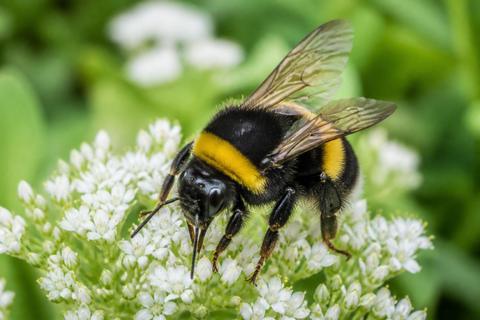
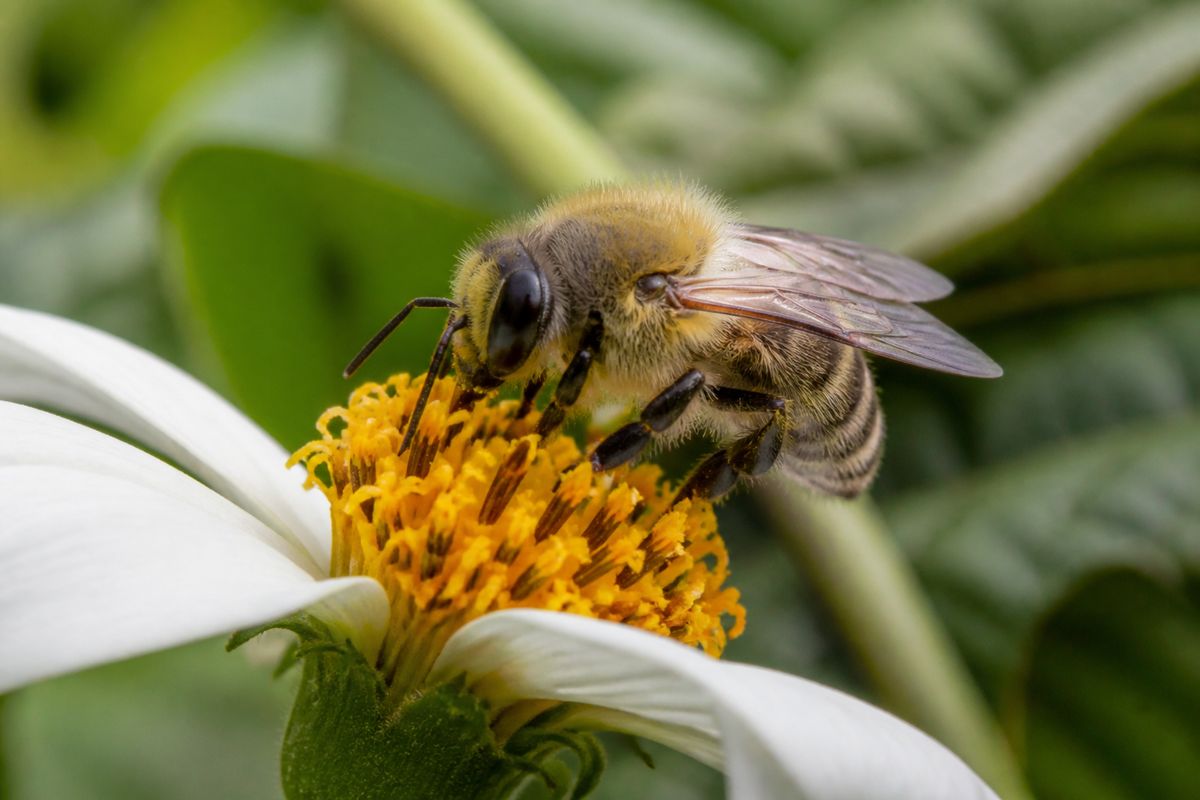
One of the most well-known roles of insects is their function as pollinators. Many flowering plants depend on insects such as bees, butterflies, and beetles for reproduction. Pollination is essential not only for plant survival but also for the production of fruits and seeds that serve as food for other organisms, including humans. It is estimated that approximately 75% of global food crops rely on animal pollination, highlighting the importance of insects in agricultural systems.
Decomposition
Insects are integral to the process of decomposition. As scavengers, many insects break down organic matter, such as dead plants and animals. This process returns nutrients to the soil, making them available for uptake by plants. Without insects like dung beetles and detritivores, ecosystems would struggle to recycle nutrients efficiently, leading to stagnant growth and nutrient-poor soils.
Soil Aeration and Fertility
Insects also contribute to soil health by aerating it through their burrowing activities. Species like ants and beetles help create channels that allow air and water to penetrate the soil more effectively. This aeration promotes microbial activity, enhancing soil fertility. Healthy soils are crucial for robust plant communities, which, in turn, support various animal species.
Predator-Prey Relationships
The intricate web of predator-prey relationships in ecosystems often hinges on insects. They serve as a food source for many other animals, frogs, birds, mammals, and reptiles all rely on insects for sustenance. In this way, insects form a fundamental part of the food chain, helping to maintain population balances within ecosystems.
Biodiversity Indicators
Insects are also key indicators of biodiversity and ecosystem health. Certain species are sensitive to environmental changes; their presence or absence can signal shifts in ecosystem dynamics. For instance, a decline in butterfly populations may indicate habitat loss or pollution levels that surpass tolerable limits. Monitoring insect diversity helps scientists assess ecological integrity and inform conservation efforts.
The Impact of Ecosystem Health on Insects
While insects play an essential role in maintaining ecosystem health, it is equally important to acknowledge how ecosystem conditions influence insect populations. Healthy ecosystems support diverse insect communities through a range of ecological processes.
Habitat Availability
Ecosystems with rich biodiversity provide a variety of habitats that support different insect species. Forests, wetlands, grasslands, and urban green spaces each host unique communities adapted to specific environmental conditions. Loss of habitats due to deforestation, urbanization, or agricultural expansion results in decreased insect populations and can lead to declines in ecosystem services.
Climate Conditions
Insects are ectothermic organisms; they rely on external temperatures to regulate their body heat. Climate change significantly affects insect life cycles, distribution patterns, and population dynamics. Warmer temperatures can accelerate development rates but can also lead to mismatches between insect life cycles and their food sources or pollination needs.
Pesticides and Pollution
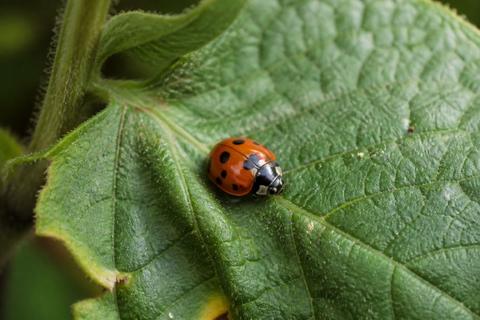
The use of pesticides in agriculture has severe consequences for insect populations. Neonicotinoids and other harmful chemicals affect not only target pests but also beneficial insects like bees and ladybugs. Polluted environments degrade habitat quality and can lead to decreased insect diversity and abundance.
The Consequences of Insect Declines
The decline of insect populations, often referred to as “insect apocalypse”, has profound implications for ecosystem health and functioning:
Disruption of Pollination Services
As mentioned earlier, many crops depend on insect pollination. A reduction in pollinator populations can directly impact food production by reducing crop yields and leading to economic losses in agriculture. It can also affect wild plant populations that rely on these same pollinators for reproduction.
Decreased Soil Quality
With fewer insects contributing to decomposition processes and soil aeration, we may see a decline in soil fertility over time. Poor soil quality can lead to reduced agricultural productivity and increased reliance on synthetic fertilizers, further compounding environmental issues.
Loss of Biodiversity
The decline of insect populations contributes to cascading effects throughout ecosystems. As primary producers (plants) suffer from reduced pollination or seed dispersal, herbivores relying on those plants may decline as well. This interconnection reveals how the loss of one group can lead to broader biodiversity loss across multiple trophic levels.
Conservation Efforts: Protecting Insect Populations
Given the pivotal role insects play in ecosystem health, effective conservation strategies are essential for preserving both insect populations and the services they provide.
Habitat Restoration
Restoring degraded habitats can help bolster insect populations by providing suitable environments for breeding and feeding. Initiatives such as reforestation or wetland restoration aim to enhance biodiversity while supporting essential ecological functions.
Sustainable Agricultural Practices
Developing sustainable farming practices is crucial for protecting insect populations from the adverse effects of pesticides and habitat destruction. Techniques such as integrated pest management (IPM), organic farming, crop rotation, and planting cover crops promote healthier ecosystems while maintaining agricultural productivity.
Public Awareness Campaigns
Raising public awareness about the importance of insects can help garner support for conservation initiatives. Educational programs highlighting the benefits that insects provide, whether through food security or ecological stability, can motivate communities to engage in protective measures.
Conclusion: A Call to Action
The interdependence between insects and ecosystem health is a relationship that must be nurtured if we wish to sustain our natural world. By recognizing the integral roles that insects play, from pollination to decomposition, we can better appreciate their contributions to our ecosystems.
Conservation efforts aimed at preserving both insect biodiversity and ecosystem integrity are vital for ensuring a sustainable future, not just for insects but for humanity as well. As stewards of our planet, it is our responsibility to protect these tiny yet mighty creatures that hold the keys to thriving ecosystems worldwide. Understanding this interconnectedness will guide us toward more informed decisions that benefit both nature and society alike.