Understanding the Influence of Terrestrial Ecosystems on Insect Diversity
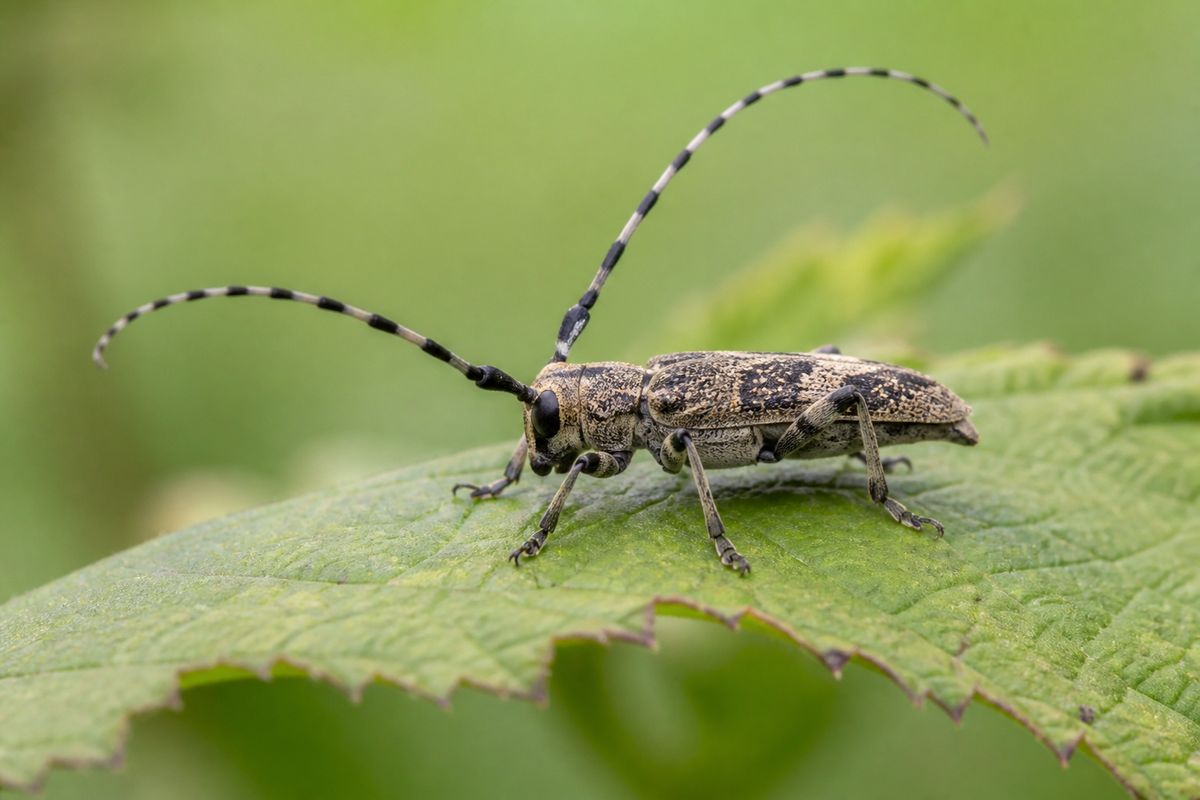
Insects are an incredibly diverse group of organisms, with estimates ranging from 5 million to over 30 million species worldwide. They play critical roles in various ecological processes, including pollination, decomposition, and nutrient cycling. Terrestrial ecosystems, which encompass forests, grasslands, deserts, and wetlands, form the backbone of these intricate interactions. This article delves into how terrestrial ecosystems influence insect diversity, examining the factors that contribute to this diversity and the implications for ecosystem health.
The Importance of Terrestrial Ecosystems
Terrestrial ecosystems are complex networks where biotic (living organisms) and abiotic (non-living components) interactions occur. The structure and function of these ecosystems are influenced by climate, soil type, topography, and human activity. Understanding these interactions is essential for recognizing how they shape insect diversity.
Climate and Weather Patterns
Climate plays a pivotal role in determining the types of habitats available in terrestrial ecosystems. Temperature, precipitation patterns, and seasonal changes dictate not only the growth of vegetation but also influence which insect species can thrive in a given area. For example:
-
Tropical Rainforests: These ecosystems boast the highest insect diversity on Earth due to their stable warm temperatures and abundant rainfall. The dense vegetation provides numerous niches and food sources for various insects.
-
Temperate Forests: These areas experience distinct seasonal changes, leading to variations in insect populations throughout the year. Species that can adapt to these fluctuations tend to dominate.
-
Deserts: Despite harsh conditions, certain insects have evolved unique adaptations to survive in arid environments. The limited resources lead to specialized niches for a smaller number of species.
Habitat Structure
The physical structure of an ecosystem significantly impacts insect diversity. Habitat complexity, characterized by vegetation architecture, microhabitats, and resource availability, affects how many species can coexist.
-
Vertical Stratification: In forests, different layers (canopy, understory, forest floor) host distinct insect populations. For instance, canopy-dwelling insects may feed on leaves, while ground-dwelling species could specialize in decomposing organic matter.
-
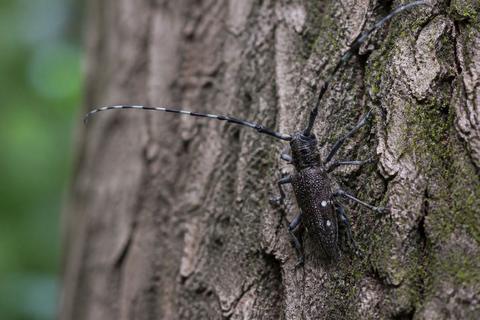
Microhabitats: Small-scale variations such as leaf litter, tree bark crevices, or decaying wood can harbor unique communities of insects. These microhabitats provide refuge from predators and harsh environmental conditions.
Resource Availability
Insects rely on various resources for survival, primarily food sources such as plants and other organisms. The type and abundance of these resources can directly influence insect diversity:
-
Floral Diversity: Pollinating insects depend on a variety of flowering plants for sustenance. Areas with high plant diversity support more pollinator species due to varied food availability throughout the growing season.
-
Decomposing Organic Material: Fungi and detritivores play vital roles in breaking down organic matter in terrestrial ecosystems. This process creates suitable habitats for many insect species that rely on decaying plant material or other decomposers as food sources.
Ecological Interactions
The interactions between different organisms within terrestrial ecosystems profoundly affect insect diversity.
Predation and Competition
Predatory relationships between insects and other fauna can limit or promote diversity depending on the dynamics involved. For instance:
-
Top-down Control: Predators often regulate prey populations (including herbivorous insects), preventing any single species from becoming overly dominant. This dynamic allows for a wider range of herbivore species to coexist.
-
Competition: Interspecific competition among similar species can drive niche differentiation, a process that encourages diversification as species evolve distinct traits to reduce competition for limited resources.
Mutualism
Many insects engage in mutualistic relationships that enhance biodiversity within ecosystems:
-
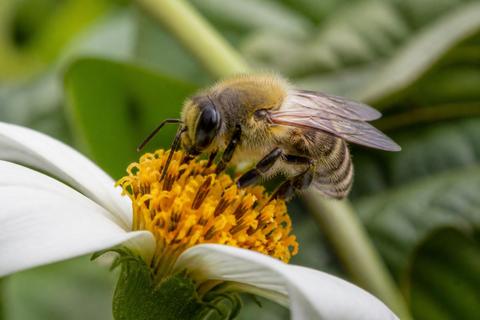
Pollination: Many flowering plants depend on insects for pollination, creating an interdependent relationship that boosts both plant reproduction and insect populations.
-
Mycorrhizal Associations: Some insects facilitate plant growth by aiding root systems through their activities (e.g., burrowing or nutrient cycling), promoting healthy vegetation that supports diverse insect communities.
Anthropogenic Influences
Human activities significantly impact terrestrial ecosystems and consequently affect insect diversity. Deforestation, urbanization, agriculture, pollution, and climate change all pose threats to insect populations:
Habitat Loss
As natural habitats are converted into agricultural lands or urban areas, the complexity of ecosystems diminishes. This loss leads to a decline in available niches for many insects:
- Monocultures: Agricultural practices often involve planting single crop types over large areas which provide less habitat complexity compared to natural ecosystems. This limits both food sources and shelter for many insects.
Climate Change
Rising temperatures and changing precipitation patterns due to climate change disrupt established ecological balances:
-
Shifts in Distribution: Many insect species are moving toward higher altitudes or latitudes in search of suitable climates. Such shifts can lead to mismatches between insects and their host plants or predators.
-
Phenological Changes: Altered timing of life cycles (e.g., blooming times of plants) may create synchronous mismatches affecting feeding opportunities for insects reliant on those plants.
Pollution
Chemical pollutants from pesticides and fertilizers can harm non-target insects essential for maintaining biodiversity:
-
Pesticide Exposure: Widespread pesticide use has led to declines in beneficial insect populations such as pollinators and natural pest control agents.
-
Soil Degradation: Runoff from agricultural land can degrade soil quality; poor soil health affects plant growth leading to reduced habitat availability for insects.
Conclusion
Terrestrial ecosystems play a vital role in shaping insect diversity through their structure, resource availability, climate influences, ecological interactions, and human impacts. As we face unprecedented changes due to human activity, including habitat loss and climate change, it is crucial to foster conservation practices that maintain ecosystem integrity. By protecting these diverse habitats, we ensure not only the survival of myriad insect species but also the overall health of our planet’s ecosystems. Understanding these intricate relationships allows us to appreciate the fundamental role insects play in sustaining life on Earth while guiding efforts toward more sustainable management practices for our environment.