The Impact of the Industrial Revolution on Insect Populations
The Industrial Revolution, spanning from the late 18th century to the mid-19th century, marked a significant transformation in human society, economy, and technology. This period saw the shift from agrarian economies to industrialized ones, characterized by significant advancements in manufacturing processes, transportation, and urbanization. While much has been documented about its effects on human life and the environment, the impact of the Industrial Revolution on insect populations has received comparatively less attention. This article explores how industrialization has influenced insect populations through habitat alteration, pollution, climate change, and changes in agricultural practices.
Habitat Alteration
One of the most direct effects of the Industrial Revolution was the widespread alteration of natural habitats. The expansion of cities and industrial zones led to deforestation and wetland drainage. Urbanization decimated native flora and fauna, reshaping ecosystems that had previously thrived for millennia.
Urbanization
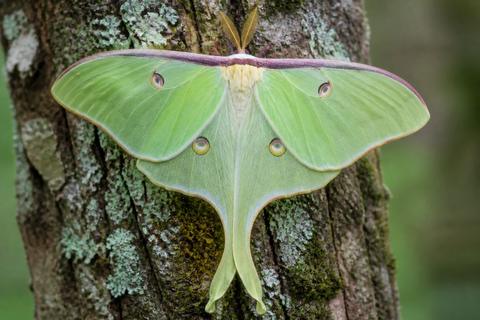
As cities expanded rapidly to accommodate a growing workforce, natural habitats were replaced with concrete jungles. This urban sprawl altered local climates and disrupted existing ecosystems. Many insects that depended on specific plants or habitats faced extinction or were significantly reduced in numbers due to habitat loss. For example, species like butterflies and certain bees experienced dramatic declines as their larval food sources were eliminated.
Agriculture Expansion
The need for increased food production also skyrocketed during this period. New agricultural techniques and machinery allowed for the cultivation of larger tracts of land, but this came at a cost. Monoculture farming practices became prevalent, leading to reduced biodiversity. Insects that thrived in diverse ecosystems often found themselves struggling to survive as their habitats became dominated by single crop types.
Pollution
The pollutants generated by factories during the Industrial Revolution had profound effects on ecosystems. Air and water pollution disrupted delicate ecological balances and directly impacted insect populations.
Air Pollution
The increase in coal burning released large quantities of sulfur dioxide (SO2) and nitrogen oxides (NOx) into the atmosphere. These pollutants contributed to acid rain, which has been shown to negatively impact insect populations by destroying their habitats and food sources. Acid rain can alter soil chemistry, affecting plant health; consequently, insects that rely on these plants face survival challenges.
Water Pollution
Industries often discharged untreated waste into rivers and lakes, leading to chemical contamination of water bodies. Aquatic insects such as mayflies and caddisflies serve as indicators of water quality; their populations declined sharply in polluted waters. The introduction of harmful chemicals not only diminished insect populations but also interfered with their reproduction and development cycles.
Climate Change
While direct human activities have always influenced climate, the Industrial Revolution initiated an unprecedented increase in greenhouse gas emissions. This anthropogenic climate change has extensive implications for ecosystems globally.
Temperature Changes
Rising global temperatures can disrupt breeding cycles for various insect species. For many insects, temperature is a critical factor that dictates their life cycles, affecting when they emerge from hibernation or when they migrate. Warmer temperatures may lead some insect species to emerge earlier than usual, which could result in mismatches with available food sources or other ecological interactions.
Range Shifts
Climate change is forcing many insect species to migrate toward higher altitudes or latitudes in search of suitable climates. This migration can lead to shifts in ecosystem dynamics as new species enter established habitats and compete for resources. Some native species may be unable to adapt quickly enough to these changes, leading to population declines or even extinction.
Changes in Agricultural Practices
The Industrial Revolution brought about a fundamental shift in agricultural practices due to mechanization and the introduction of synthetic fertilizers and pesticides.
Use of Pesticides
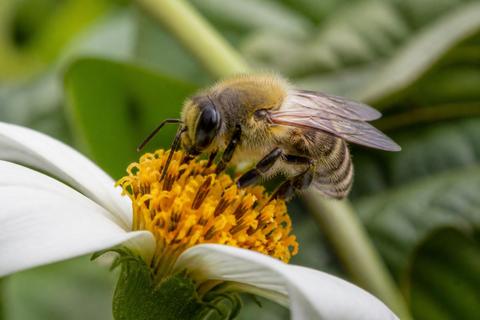
The advent of synthetic pesticides dramatically altered insect populations, both targeted pests and beneficial insects faced devastating consequences. While these chemicals helped control crop-damaging pests effectively, they also took a toll on pollinators like bees and butterflies. Studies have shown that exposure to certain pesticides can impair navigation, reproduction, and foraging behaviors in these crucial species.
Monoculture Farming
As mentioned earlier, monoculture farming became predominant during this era, further exacerbating declines in insect diversity. With vast fields dedicated to a single crop type susceptible to specific pests, farmers relied heavily on chemical inputs rather than fostering natural ecosystems that could support pest control through predation. This reliance on chemicals often led to a cycle requiring ever-increasing pesticide applications as pest resistance developed.
The Relationship Between Insects and Humans
Insects provide numerous ecosystem services essential for maintaining ecological balance, pollination being one of the most vital among them. The decline in insect populations due to industrialization raises alarm bells regarding food security and biodiversity conservation.
Pollination Services
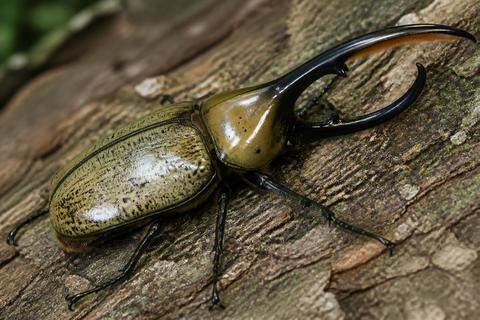
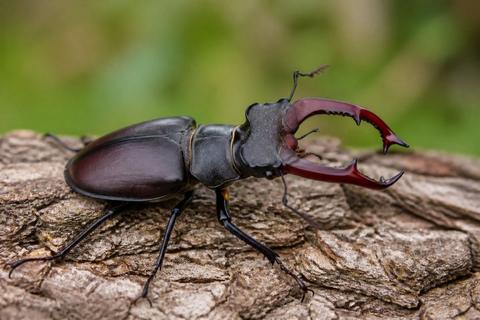
Many crops rely on insect pollinators for successful fruit and seed development. The decline of these important species could significantly impact global agricultural output. A study by the Intergovernmental Science-Policy Platform on Biodiversity and Ecosystem Services (IPBES) estimated that nearly 75% of global food crops depend on animal pollination, primarily by insects such as bees, butterflies, moths, and beetles.
Ecosystem Health Indicators
Insects are key indicators of ecosystem health; their populations can reflect environmental changes due to pollution or habitat loss. A decline in insect diversity is often a symptom of broader ecological issues that could ultimately affect human health through increased pollution levels or reduced food quality.
Conclusion
The impact of the Industrial Revolution on insect populations is a complex interplay of factors that have transformed ecosystems worldwide. From habitat destruction caused by urbanization to pollution from industrial activities and alterations in agricultural practices driven by mechanization, each element has contributed negatively towards many insect species.
As we continue into an age defined by technological advancements and industrial growth, it becomes increasingly important to consider the implications our actions have not just on our own well-being but also on that of countless insects whose roles are critical for maintaining biodiversity and supporting human life.
Understanding how industrialization has shaped insect populations provides valuable insight into current environmental challenges we face today, from declining bee populations impacting agriculture to rising climate concerns affecting all life forms.
Moving forward requires concerted efforts towards sustainable practices that prioritize ecological balance while still meeting human needs, a challenge that echoes the lessons learned from our past during the Industrial Revolution.