How Urban Ecosystems Affect Local Insect Habitats
Urban ecosystems are complex environments that emerge through human development and urbanization. They consist of built structures, green spaces, and a myriad of ecological interactions. While cities are often perceived as sterile environments devoid of wildlife, they are actually home to diverse insect populations. Understanding how urban ecosystems affect these habitats is essential for biodiversity conservation and urban planning. This article explores the factors influencing local insect habitats within urban settings and discusses the implications for ecological health.
The Importance of Insects in Urban Ecosystems
Insects are a fundamental component of urban ecosystems, playing critical roles in pollination, decomposition, and nutrient cycling. They contribute to the following functions:
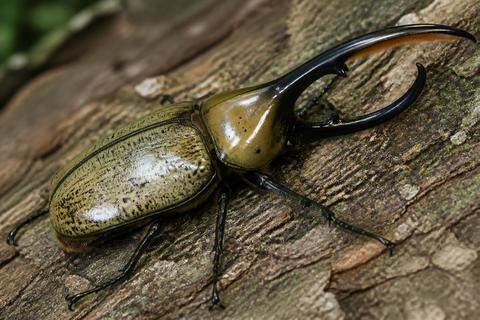
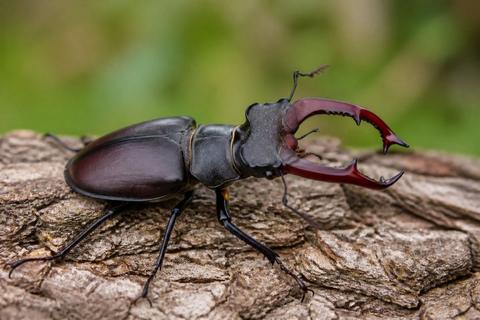
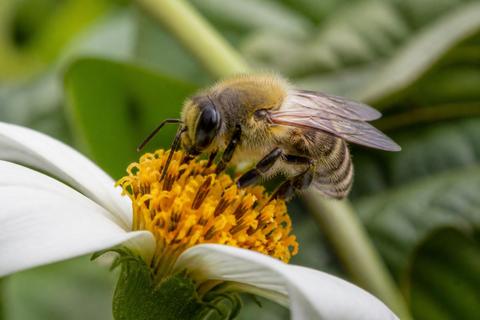
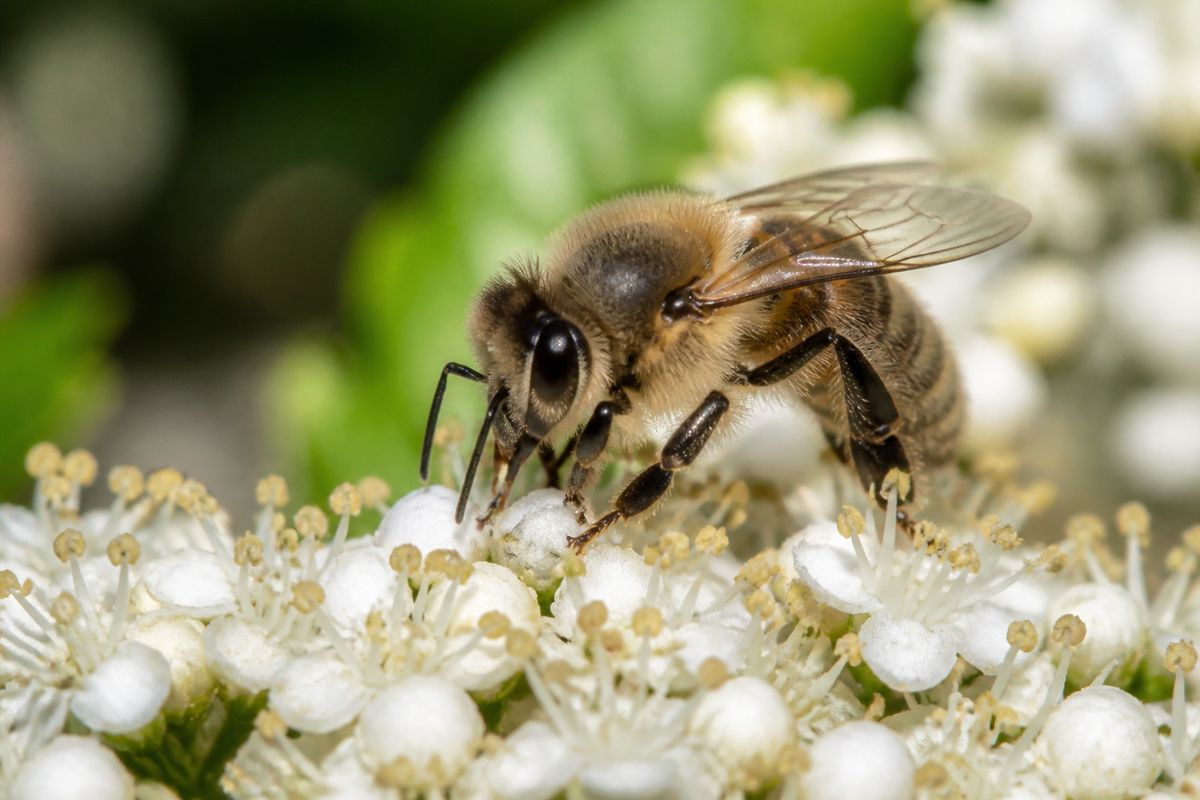
- Pollination: Many plants rely on insects like bees, butterflies, and beetles for reproduction. Urban gardens, parks, and green roofs can provide essential habitats for these pollinators.
- Decomposition: Insects such as ants, termites, and dung beetles break down organic matter, returning nutrients to the soil. This process is vital for maintaining soil health in urban gardens.
- Food Source: Insects serve as a food source for birds, mammals, and other wildlife. Healthy insect populations support higher trophic levels in urban ecosystems.
Urbanization and Its Impact on Insect Habitats
The transformation of natural landscapes into urban environments significantly changes local insect habitats. Key factors include:
1. Habitat Fragmentation
Urbanization often leads to habitat fragmentation, as natural areas are divided into smaller patches surrounded by roads and buildings. This fragmentation results in:
- Reduced Connectivity: Insects may struggle to navigate between fragmented habitats, limiting their movement and access to resources.
- Edge Effects: The edges of urban habitats can have different microclimates compared to interiors. Factors such as temperature fluctuations and increased predation pressure may affect insect populations.
2. Alteration of Natural Landscapes
The conversion of green spaces into impervious surfaces, such as concrete and asphalt, drastically alters the environment:
- Loss of Native Vegetation: Native plant species are often replaced by ornamentals or non-native species that may not support local insect populations.
- Microclimate Changes: Urban heat islands can create warmer conditions that are unsuitable for some insect species while favoring others adapted to higher temperatures.
3. Pollution
Urban areas are prone to various forms of pollution that can negatively impact insect habitats:
- Chemical Pollution: Pesticides used in landscaping can harm non-target insect populations, leading to declines in biodiversity.
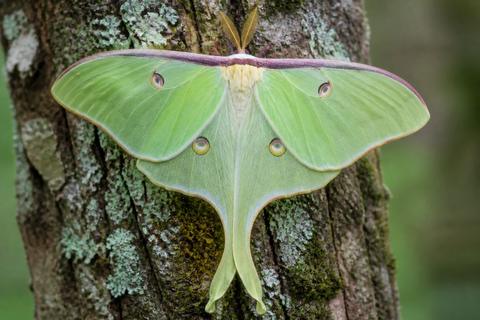
- Light Pollution: Artificial lighting disrupts the natural behaviors of nocturnal insects such as moths. This can lead to reduced mating success and altered predator-prey dynamics.
4. Climate Change
Cities often exacerbate the effects of climate change due to their unique characteristics:
- Increased Temperatures: Urban heat islands can accelerate temperature increases, affecting insect lifecycles and distribution patterns.
- Altered Weather Patterns: Changes in precipitation patterns can influence the availability of water sources for insects.
Green Infrastructure: Enhancing Insect Habitats
To counteract the negative impacts of urbanization on insect habitats, many cities are incorporating green infrastructure into their planning processes. Green infrastructure includes parks, green roofs, rain gardens, and other natural features designed to improve ecological health.
1. Creating Pollinator Habitats
Urban landscapes can be transformed into pollinator-friendly environments through the following strategies:
- Native Plant Landscaping: Planting native flowers that bloom at different times throughout the growing season provides food sources for pollinators.
- Bee Hotels: Installing bee hotels offers nesting sites for solitary bees that may lack natural cavities in urban settings.
2. Implementing Sustainable Practices
Cities can adopt sustainable landscaping practices that benefit local insect populations:
- Organic Gardening: Reducing chemical usage helps protect beneficial insects from harmful pesticides.
- Rain Gardens: These absorb stormwater runoff while providing habitat for insects that thrive in wet environments.
3. Preserving Natural Areas
Conserving existing natural areas within urban boundaries is crucial for maintaining insect biodiversity:
- Urban Reserves and Green Corridors: Designating protected areas along waterways or green corridors can enhance connectivity between fragmented habitats.
- Community Engagement: Involving local communities in conservation efforts fosters stewardship and awareness of urban biodiversity.
Challenges Facing Urban Insect Populations
Despite efforts to enhance insect habitats within urban ecosystems, challenges remain:
1. Economic Constraints
Often, cities face budget limitations that restrict investments in green infrastructure projects. Prioritizing ecological health requires balancing economic considerations with environmental sustainability.
2. Public Perception
Many residents view insects negatively due to misconceptions about pests or fears surrounding stinging insects like bees. Educational outreach is essential to shift public perception towards recognizing the importance of insects for ecosystem functioning.
3. Climate Resilience
As climate change progresses, urban planning must adapt to ensure resilient ecosystems that can withstand environmental stressors affecting insect populations.
Future Directions for Research and Policy
Ongoing research is necessary to better understand how urban ecosystems influence local insect habitats:
1. Long-Term Monitoring Programs
Establishing long-term monitoring programs can help track changes in insect populations over time. This data will assist policymakers in assessing the effectiveness of conservation strategies.
2. Interdisciplinary Approaches
Collaborative efforts between ecologists, urban planners, architects, and community stakeholders can yield innovative solutions that integrate biodiversity into city design.
3. Policy Development
Implementing policies that promote sustainable land use practices will be vital for safeguarding urban insect habitats against further degradation.
Conclusion
Urban ecosystems offer both challenges and opportunities for local insect habitats. As cities continue to grow, understanding the intricate relationships between human activity and biodiversity becomes increasingly important. By fostering healthy urban environments through green infrastructure initiatives and conservation efforts, we can create resilient landscapes that support diverse insect populations, ultimately enhancing ecological health and enriching our lives with the beauty of nature amidst concrete jungles.
Through thoughtful planning and community engagement, cities have the potential to become vibrant hubs where humans co-exist harmoniously with the invaluable world of insects, creating a legacy of biodiversity for future generations.