How to Identify Fruit Flies: Identification Tips
Fruit flies, scientifically known as Drosophila melanogaster, are common pests that can be a nuisance in homes, kitchens, and food storage areas. These tiny insects are notorious for invading our spaces and are often found hovering around overripe or decaying fruits and vegetables. Understanding how to identify fruit flies is crucial for effective pest control. In this article, we will explore the physical characteristics, behavior, and lifecycle of fruit flies to help you recognize them quickly and take appropriate action.
Physical Characteristics
Size and Shape
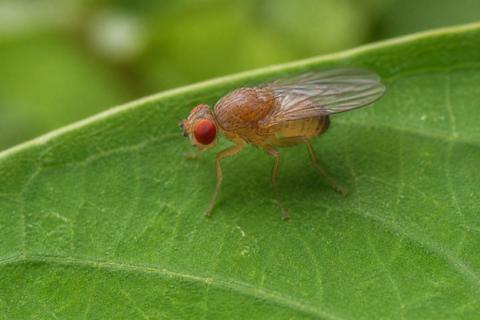
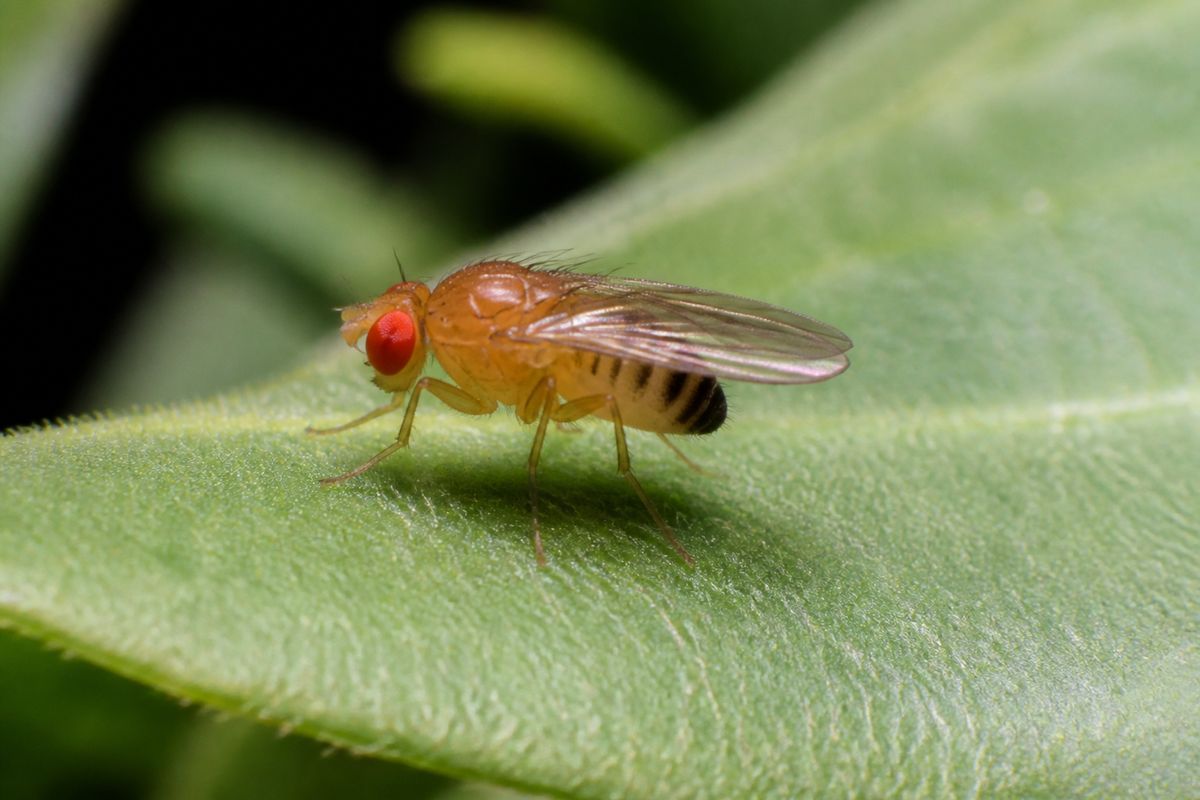
Fruit flies are small insects, typically measuring about 1/8 inch (3-4 mm) in length. Their compact bodies have a rounded shape that can often be mistaken for similar small flies. A common trait among fruit flies is their characteristic wings, which are slightly longer than their bodies.
Coloration
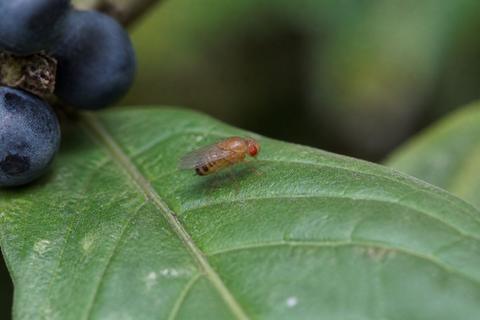
Adult fruit flies usually have a light brown or tan body with distinct black markings on their abdomen. One of the easiest ways to identify them is by their eye color, most fruit flies have bright red eyes. This feature makes them stand out against the background of ripe fruits or other surfaces.
Wing Structure
Another identifying characteristic of fruit flies is their wing structure. Unlike some other types of flies, fruit flies possess a unique wing pattern that can help differentiate them from other fly species. The wings are transparent with a slight iridescence that catches the light, making them shimmer as they fly.
Antennae
Fruit flies have long, slender antennae that are more pronounced compared to other small fly species. These antennae play a crucial role in their ability to smell and locate food sources.
Behavior
Feeding Habits
Fruit flies are primarily attracted to fermenting fruits and vegetables. They lay their eggs on these decaying organic materials because the larvae feed on the yeast and bacteria present in the rotting matter. If you notice fruit flies hovering around your kitchen sink, garbage cans, or overripe produce, it’s likely that you’re dealing with an infestation.
Mating Rituals
One interesting behavioral characteristic of fruit flies is their mating habits. Male fruit flies engage in courtship behaviors that include a series of wing vibrations and pheromone releases to attract females. This display can sometimes be seen when observing pairs of fruit flies together.
Flight Patterns
Fruit flies have a distinctive flight pattern, characterized by rapid, erratic movements. They tend to fly in short bursts, often darting straight up or down before landing again. Their flight pattern makes it challenging to swat them away quickly.
Lifecycle of Fruit Flies
Understanding the lifecycle of fruit flies is essential for effective identification and pest control measures. The lifecycle consists of four stages: egg, larva, pupa, and adult.
Egg Stage
Female fruit flies can lay up to 500 eggs at one time on suitable food sources, typically fermenting or decaying fruits and vegetables. The eggs are tiny and almost invisible to the naked eye, measuring about 0.5 mm in length.
Larval Stage
Once the eggs hatch, they progress into the larval stage within about 24 hours under ideal conditions. The larvae are small, white grubs that feed on the surrounding organic matter before pupating. This stage lasts approximately 4-6 days.
Pupal Stage
After feeding for several days, the larvae enter the pupal stage where they transform into adult fruit flies. During this time, they become encased in a protective shell that allows them to develop fully. This stage lasts about 4-5 days.
Adult Stage
Upon emerging from the pupal case, adult fruit flies are ready to mate and begin the lifecycle anew within just a week after hatching. Understanding this rapid lifecycle emphasizes how quickly an infestation can develop if not addressed promptly.
Environment Preferences
Ideal Conditions for Breeding
Fruit flies thrive in warm environments where there is plenty of food available for their larvae to consume. They prefer temperatures around 70°F (21°C), making kitchens an optimal breeding ground due to the warmth generated by appliances and sunlight exposure.
Attractants
In addition to ripe fruits and vegetables, other organic materials such as spilled soda, beer spills, compost piles, or even unwashed dishes can attract fruit flies. Understanding what draws these pests can help you effectively manage your space to minimize infestations.
How To Confirm You Have Fruit Flies
Observational Techniques
The best way to confirm you have a fruit fly issue is through careful observation:
- Look for Movement: Observe areas where food may be exposed; note whether you see small flying insects darting around.
- Spotting Breeding Grounds: Check for overripe or decaying produce on countertops and in storage areas.
- Setting Traps: Place apple cider vinegar traps by filling a bowl with vinegar covered with plastic wrap punctured with small holes to attract and capture them.
If you see small brownish flying insects congregating around any food items or debris in your kitchen or pantry area, these are likely fruit flies.
Prevention Measures
To prevent future infestations of fruit flies, follow these simple tips:
- Store Fruits Properly: Keep fruits refrigerated or in sealed containers.
- Regular Cleaning: Clean kitchen surfaces regularly to remove any spills or crumbs.
- Dispose of Overripe Produce: Regularly check for overripe fruits and discard them promptly.
- Seal Garbage: Ensure your trash cans are sealed tightly and take out garbage frequently.
- Use Screens: Install screens on windows and doors to keep bugs from entering your home.
Conclusion
Identifying fruit flies is not only about recognizing their physical characteristics but also understanding their behavior and lifecycle. By knowing what attracts them and implementing preventive measures, you can keep these pesky pests at bay effectively. Regular inspection of potential breeding grounds combined with prompt action at the first signs of infestation will ensure your home remains fruit fly-free all year long!