How Do Fruit Flies Contribute to the Ecosystem?
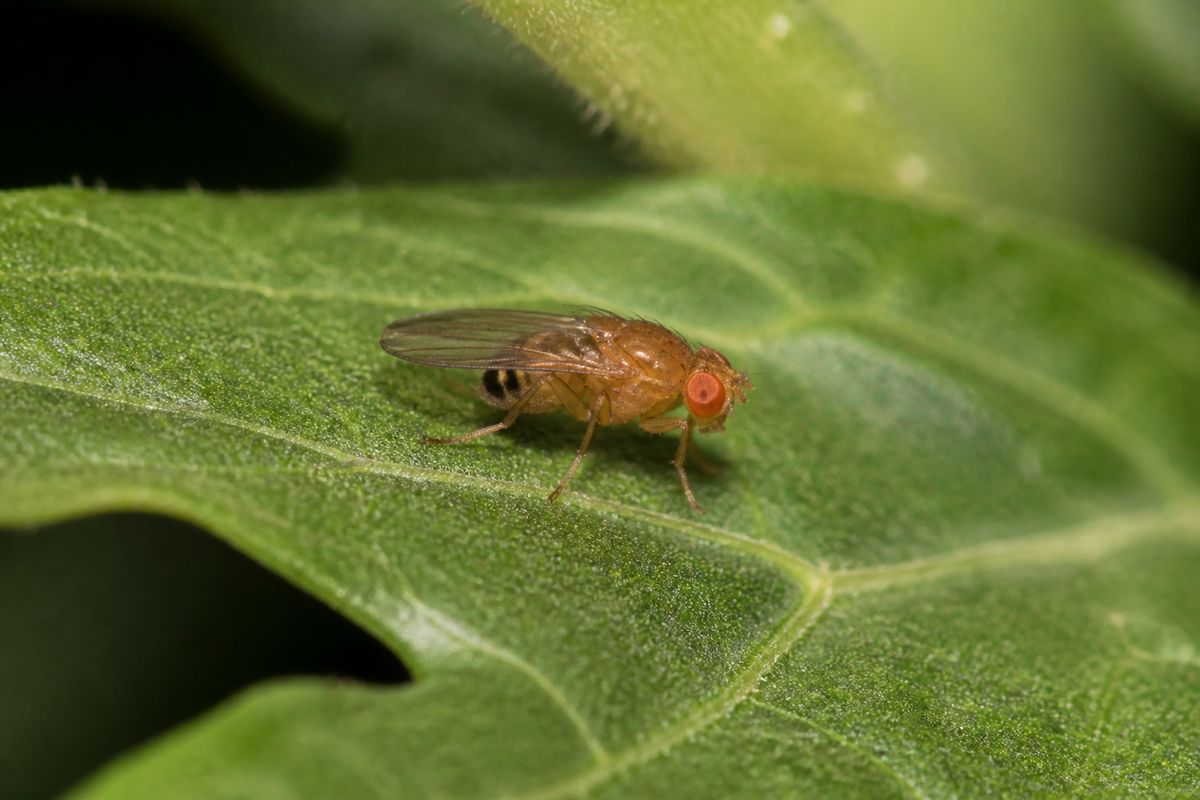
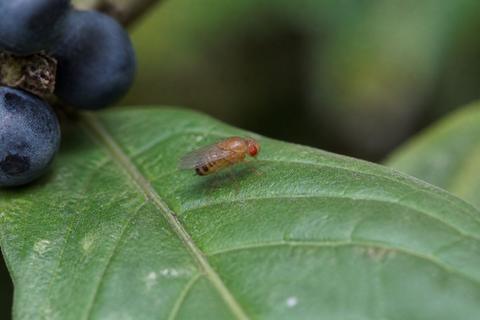
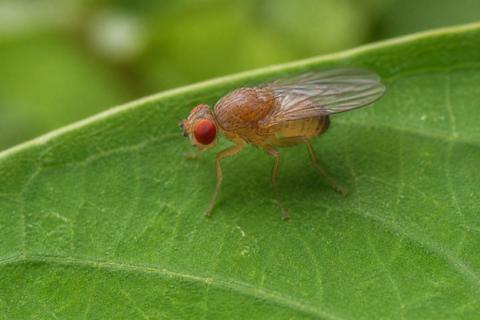
Fruit flies, scientifically known as Drosophila melanogaster, are often regarded as mere nuisances in the kitchen, buzzing around overripe fruit and neglected leftovers. However, their contributions to the ecosystem extend far beyond their reputation as pests. These small yet significant creatures play crucial roles in various ecological processes, including decomposition, pollination, and serving as food sources for other organisms. This article will explore the multifaceted contributions of fruit flies to ecosystems and highlight their importance in maintaining ecological balance.
The Role of Fruit Flies in Decomposition
One of the primary ecological functions of fruit flies is their involvement in the decomposition process. As scavengers, fruit flies are attracted to decaying organic matter, including overripe fruits and vegetables. When these insects feed on decomposing materials, they help break down organic matter into simpler compounds.
This process is vital for several reasons:
Nutrient Recycling
Fruit flies aid in the recycling of nutrients back into the soil. As they feed on decaying organic material, they excrete waste that contains essential nutrients like nitrogen, phosphorus, and potassium. These nutrients enrich the soil, making it more fertile and promoting plant growth. As such, fruit flies contribute to the health of both terrestrial ecosystems and agricultural systems by facilitating a natural cycle of nutrient replenishment.
Promoting Microbial Activity
Decomposition is not solely reliant on fruit flies; it involves a myriad of microorganisms like bacteria and fungi. By feeding on decaying matter, fruit flies create an environment conducive to microbial activity. Their feeding habits disturb the substrate, increasing aeration and moisture levels. This disturbance facilitates greater microbial colonization and activity, speeding up the decomposition process. Consequently, fruit flies enhance the overall efficiency of nutrient cycling within ecosystems.
Pollination: A Lesser-Known Contribution
While bees are typically lauded as nature’s primary pollinators, fruit flies also play a significant role in pollinating various plants. Although they are not as effective or efficient as honeybees or butterflies, their contributions should not be overlooked.
Attraction to Specific Flowers
Fruit flies are particularly attracted to certain types of flowers that emit fruity smells or have a fermented appearance. These flowers often belong to plants that produce overripe fruits or rotting organic matter. When fruit flies visit these plants to feed on nectar or lay eggs, they inadvertently transfer pollen from one flower to another.
Influence on Plant Reproduction
The pollination activities of fruit flies can influence plant reproduction rates and genetic diversity. By facilitating cross-pollination among various plants, they help maintain genetic variation within plant populations. This genetic diversity is crucial for plant adaptability and resilience against diseases and environmental changes.
Serving as a Food Source
In the grand web of life, every organism plays a role as both predator and prey. Fruit flies are no exception; they serve as an essential food source for various animals in different habitats.
Food Source for Other Insects
Fruit flies are consumed by a wide range of insect predators, including spiders, beetles, and wasps. By providing sustenance for these predators, fruit flies contribute to the food web dynamics within ecosystems. Their abundance allows insectivorous species to thrive, supporting biodiversity within ecological communities.
Supporting Avian Species
Birds are another group that relies on fruit flies as a food source. Many bird species actively hunt for these small insects during breeding seasons when their dietary requirements increase due to high energy demands for producing young offspring. By serving as prey for birds, fruit flies help sustain avian populations and contribute to ecosystem health.
Biodiversity and Ecosystem Health
Fruit flies contribute largely to biodiversity within ecosystems due to their adaptability and resilience in various environments. Their presence indicates healthy ecosystems capable of supporting diverse life forms.
Indicators of Environmental Change
Due to their sensitivity to environmental changes, such as temperature fluctuations and habitat alterations, fruit fly populations can serve as bioindicators for ecological health. A decline in fruit fly populations may signal underlying ecological issues like pollution or habitat degradation.
Contributions to Genetic Research
Fruit flies have been extensively studied in genetics due to their short life cycles and uncomplicated genetic makeup. Research on fruit fly genetics has provided insights into evolutionary biology, human diseases, and complex traits such as behavior and development. The understanding gained from studying these insects can lead to advancements in conservation efforts aimed at maintaining biodiversity within ecosystems.
Implications for Agriculture
Farmers often view fruit flies negatively due to their association with spoiled produce; however, their ecological roles highlight the importance of considering beneficial aspects alongside detrimental impacts.
Natural Pest Control
Although some species of fruit flies can damage crops by laying eggs in ripe fruits, others can be beneficial by helping control pest populations naturally through predation or competition for resources. Recognizing this balance can lead farmers toward more sustainable agricultural practices that minimize reliance on chemical pesticides.
Soil Health Improvement
Farmers who understand the role of fruit flies in decomposition can harness their benefits by promoting conditions conducive to these insects’ thriving. Practices such as composting can create rich organic environments that attract fruit flies while enhancing soil health through nutrient cycling.
Conclusion
In summary, fruit flies play an indispensable role within ecosystems despite their often negative perception by humans. From aiding in decomposition and nutrient recycling to contributing to pollination and serving as vital food sources for numerous organisms, their contributions help maintain ecological balance. Furthermore, understanding these roles emphasizes the necessity of preserving biodiversity while informing sustainable agricultural practices that consider both beneficial and harmful aspects of insect populations.
By appreciating the multifaceted contributions of fruit flies to ecosystems, we can foster a more harmonious relationship with nature, a relationship grounded in recognizing the interconnectedness of all living beings within our environment. So next time you encounter a fruit fly buzzing around your kitchen or garden, remember that this seemingly insignificant creature plays a much larger role than meets the eye!