What Is the Life Cycle of Cabbage White Butterflies? Stages and Facts
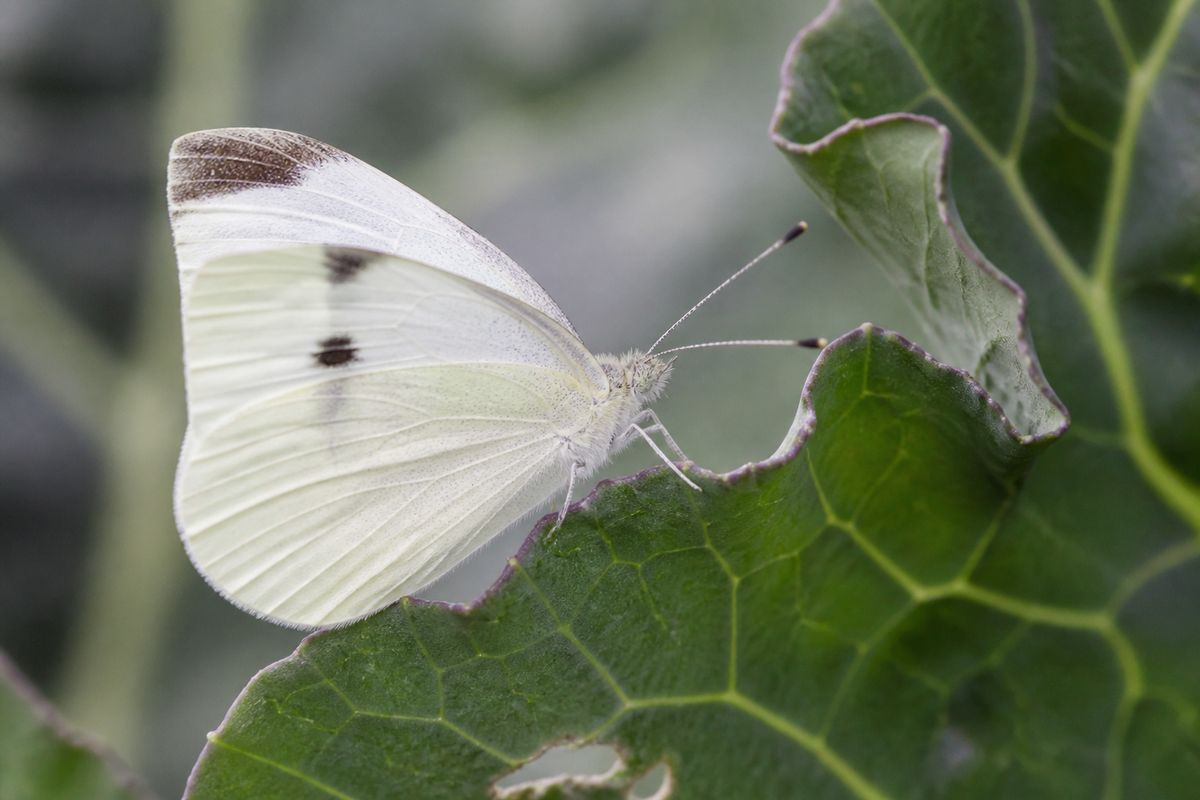
The Cabbage White butterfly, scientifically known as Pieris rapae, is a common sight in gardens and fields across North America and Europe. Known for their striking white wings adorned with black spots, these butterflies are not only beautiful but also fascinating in their lifecycle. Understanding the life cycle of Cabbage White butterflies can provide insights into their behavior, habitat preferences, and ecological significance.
Overview of Cabbage White Butterflies
Cabbage White butterflies belong to the family Pieridae and are recognized for their adaptability to various environments. These butterflies primarily feed on plants belonging to the Brassicaceae family, making them a common sight around gardens, particularly those containing cabbage, broccoli, kale, and other cruciferous vegetables. Their lifecycle consists of four primary stages: egg, larva (caterpillar), pupa (chrysalis), and adult butterfly.
Stage 1: Egg
The lifecycle of the Cabbage White butterfly begins when the female lays her eggs on suitable host plants. The eggs are small, round, and typically pale yellow or greenish in color.
Egg Laying Process
- Timing: The female lays her eggs during warm months, usually from spring to early summer.
- Location: Eggs are often placed on the underside of leaves to protect them from predators while providing immediate access to food for the emerging larvae.
- Quantity: A single female can lay anywhere from 50 to 300 eggs in her lifetime, ensuring a high chance of survival for at least some of her offspring.
Egg Development
After a few days (usually 5 to 10 depending on environmental conditions), the eggs hatch into larvae. The duration of this stage can be influenced by temperature and humidity.
Stage 2: Larva (Caterpillar)
Once the eggs hatch, the tiny caterpillars emerge ready to eat. This is the most critical phase in their lifecycle as they must consume large amounts of vegetation to grow and prepare for metamorphosis.
Characteristics of the Caterpillar
- Appearance: Cabbage White caterpillars are typically light green with faint stripes and can reach lengths of about 2 inches as they mature.
- Feeding Behavior: They primarily feed on leaves of cruciferous plants. This feeding behavior can lead to significant damage to crops, making them a common pest for gardeners and farmers.
- Growth Stages: Caterpillars undergo several molts (instars) as they grow. Each molting stage provides them with an opportunity to grow larger until they’re ready to pupate.
Duration
The larval stage lasts approximately 10 to 14 days, depending on environmental factors like temperature and food availability. During this time, they can consume an impressive amount of foliage.
Stage 3: Pupa (Chrysalis)
After reaching maturity, the caterpillar enters the pupal stage. This is where transformation occurs, one of nature’s most remarkable processes.
Pupation Process
- Finding a Safe Spot: The caterpillar will seek out a secure location on a host plant or nearby surface where it can attach itself safely.
- Chrysalis Formation: Once settled, it sheds its skin one last time to reveal a greenish or brownish chrysalis (pupa). This stage may last anywhere from 5 to 14 days.
Transformation Inside the Chrysalis
During this time, significant changes occur internally as the caterpillar transforms into a butterfly. Most organs are broken down and reformed into those needed for adult life.
Duration
The pupal stage lasts approximately 5 to 14 days; however, this time can extend during colder months when some pupae enter diapause, a period of dormancy that allows them to survive adverse conditions.
Stage 4: Adult Butterfly
After completing its metamorphosis inside the chrysalis, the Cabbage White butterfly emerges as an adult.
Emergence
- Eclosion: The adult butterfly breaks out of the chrysalis on a calm morning or evening when temperatures are conducive.
- Wing Expansion: Initially, its wings are crumpled and wet. The butterfly will pump fluid into its wings to expand them fully before taking its first flight.
Characteristics of Adult Butterflies
Cabbage White butterflies are easily identified by their white wings with black tips:
- Size: Adults typically have a wingspan ranging from 1.5 to 2 inches.
- Mating Behavior: After emerging, males will search for females to mate with. Adult butterflies generally engage in courtship behaviors that involve displays in flight.
Life Span
Once mated, females can lay hundreds of eggs over several weeks. The life span of an adult Cabbage White is usually around two weeks but can extend up to several months if conditions are favorable.
Ecological Significance
Understanding the life cycle of Cabbage White butterflies has implications beyond mere observation; these creatures play crucial roles in ecosystems.
Pollination
Cabbage Whites contribute to pollination within their habitats. While feeding on nectar from flowers, they inadvertently transfer pollen from one bloom to another.
Pest Indicators
Due to their diet consisting mainly of crops like cabbage and broccoli, they serve as indicators for agricultural health. High populations may signify underlying issues within ecosystems or agricultural practices that need addressing.
Biodiversity Support
As part of the food chain, Cabbage Whites serve as prey for birds and other predators, contributing to biodiversity and ecological balance.
Interesting Facts About Cabbage White Butterflies
-
Variety: There are two main varieties, the male Pieris rapae is usually more vivid than the female.
-
Adaptability: They thrive in urban areas as well as rural settings due to their flexible dietary requirements.
-
Color Change: The intensity of their colors may shift based on environmental conditions during their development stages.
-
Natural Pest Control: While considered pests themselves due to their consumption of crops, certain predators such as parasitic wasps target their larvae.
-
Migratory Behavior: In some regions, these butterflies migrate seasonally in search of warmer climates or suitable breeding grounds.
Conclusion
The life cycle of Cabbage White butterflies illustrates a remarkable journey through various stages, from egg to larva, pupa, and finally adult butterfly. Understanding these stages not only enhances our appreciation for these creatures but also underscores their importance within ecosystems. Whether you’re a gardener looking to manage pests or simply an admirer of nature’s wonders, knowing about Cabbage White butterflies enriches our connection with these beautiful pollinators. As we continue exploring their role in agriculture and biodiversity, we can better appreciate both their beauty and ecological significance in our environment.