How to Attract Zebra Longwing Butterflies to Your Garden
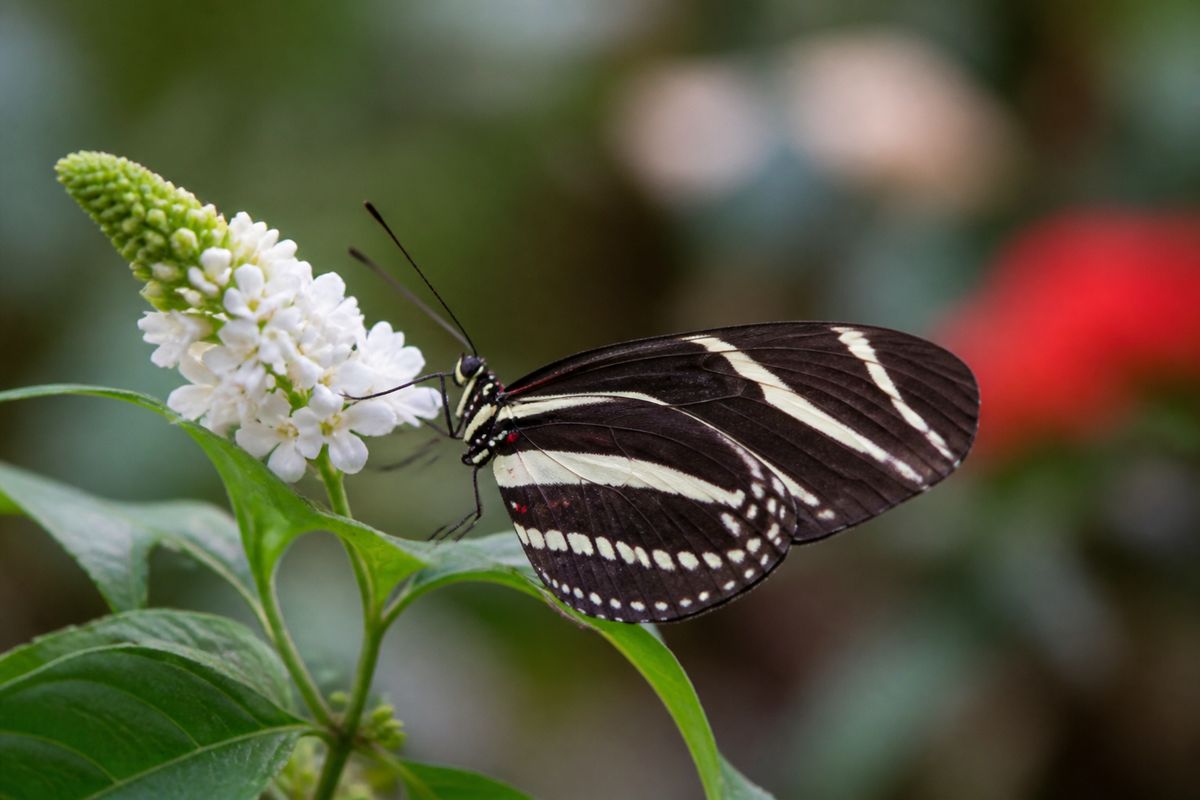
How to attract Zebra Longwing butterflies to your garden comes down to one plant family: you need passionflower vines (Passiflora spp.) if you want Heliconius charithonia to stick around, not just pass through. Zebra Longwings are Florida's official state butterfly, and unlike most butterfly species they can live for several months as adults instead of the usual two to four weeks, which means a single garden can host the same individuals for an entire season if the conditions are right.
Why Passionflower Is Non-Negotiable
Zebra Longwing caterpillars eat only passionflower foliage. Documented host plants include purple passionflower (Passiflora incarnata), corkystem passionflower (Passiflora suberosa), and yellow passionflower (Passiflora lutea), along with several other Passiflora vines. Mature caterpillars are white with black spots and numerous black branched spines, coloring associated with warning displays in many toxin-sequestering caterpillars. Without at least one passionflower vine established in the yard, adults have no reason to lay eggs there, no matter how many nectar flowers are planted.
Planting and Placement
Give passionflower vines a trellis, fence line, or arbor with morning sun and afternoon shade in hotter climates. Established vines tolerate heavy caterpillar defoliation and regrow quickly, so resist the urge to spray anything on chewed leaves. The damage is the point.
Nectar Sources Adults Actually Use
Zebra Longwings favor long, tubular flowers and composite blooms. Firebush (Hamelia patens), tropical sage (Salvia coccinea), and Spanish needle (Bidens alba) are documented nectar sources, along with mock vervain and blue porterweed. What sets this species apart from most butterflies is that adults feed on pollen as well as nectar, and the added nutrients let them survive for several months rather than the two to four weeks typical of most butterflies. A garden with a steady pollen supply keeps the same butterflies returning night after night rather than losing them to a short life cycle.
Flowers Worth Planting
- Firebush (Hamelia patens): tubular red-orange blooms, flowers nearly year-round in warm climates.
- Tropical sage (Salvia coccinea): reseeds readily and blooms through summer heat.
- Spanish needle (Bidens alba): a common roadside composite that Zebra Longwings visit heavily for pollen.
- Lantana (Lantana camara): long bloom season, though native or sterile cultivars are preferable where lantana is invasive.
- Zinnia (Zinnia elegans): flat-faced blooms that give butterflies an easy landing pad.
Build a Habitat, Not Just a Flower Bed
Give Them a Place to Roost
Zebra Longwings gather in communal roosts at night, returning to the same spot daily, with the oldest butterflies choosing the best places and younger ones settling in around them. A cluster of shrubs, vines, or overhanging branches near the passionflower and nectar plants gives them somewhere to settle after dark instead of moving on to a neighbor's yard.
Water Without Drowning Risk
A shallow dish of damp sand or mud works better than open water. Butterflies land on the wet substrate to take up moisture and minerals without the risk of a deep dish.
Skip the Pesticides
Broad-spectrum insecticides kill Zebra Longwing caterpillars along with whatever pest they were aimed at. If aphids or other pests show up, spot-treat with insecticidal soap or neem oil rather than spraying the whole bed, and never treat a passionflower vine that has eggs or caterpillars on it.
Keep Blooms Going Spring Through Fall
Because adults can live for months, a garden with gaps in bloom time will lose them to yards with more consistent food. Stagger plantings so something is flowering from spring through fall: early perennials like coneflower, summer annuals like zinnia and lantana, and Spanish needle or salvia carrying the display into fall.
Watch Them Work
Zebra Longwings are diurnal and fly with a slow, floppy wingbeat that makes them easy to identify even at a distance, unlike faster-flying species such as swallowtails. Early morning and late afternoon, when they are feeding before heading to the roost, are the best times to spot them. Once passionflower and steady nectar are in place, gardens within their range tend to start seeing visits over time, and eventually a resident colony that roosts on-site rather than just passing through.