What Do Cabbage White Butterflies Eat? Diet and Feeding Habits
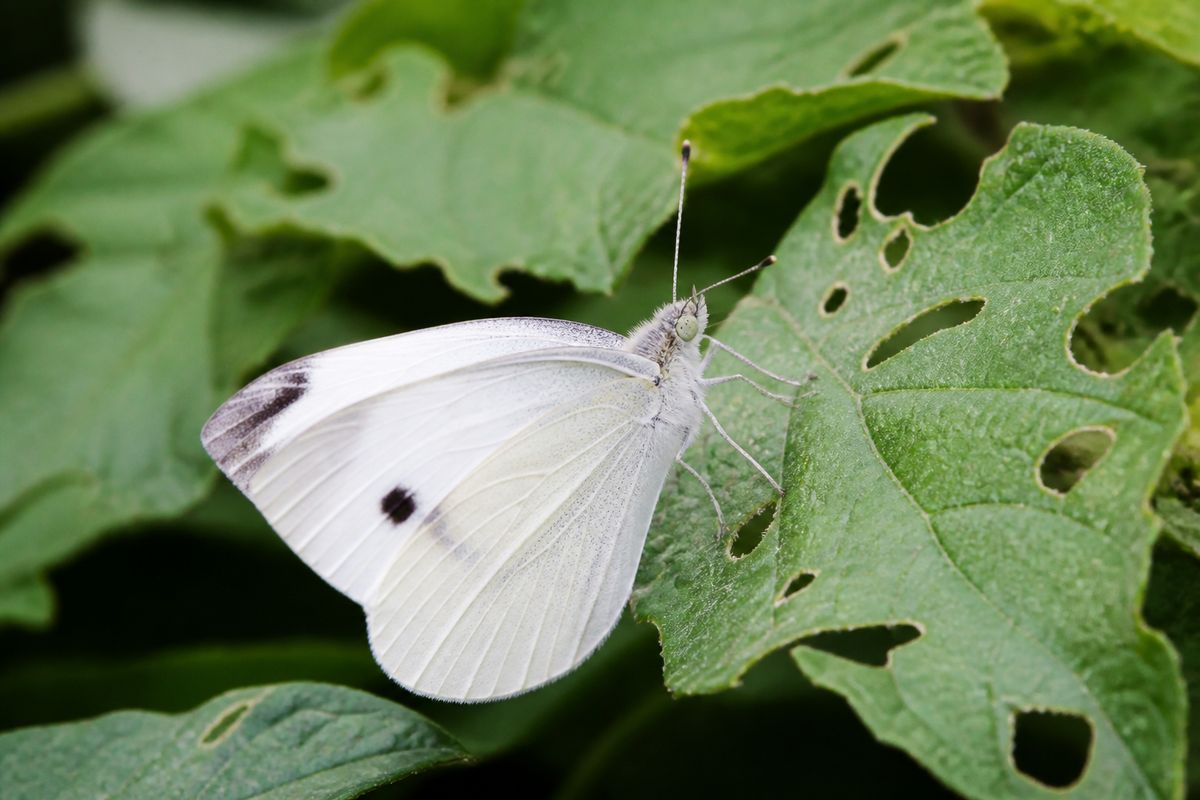
Cabbage white butterflies, scientifically known as Pieris rapae, are a common sight in gardens and agricultural settings. Recognizable by their white wings adorned with black spots, these butterflies play an important role in the ecosystem. Understanding their diet and feeding habits is essential for gardeners and farmers alike, particularly because they can be both beneficial pollinators and pests. This article delves into what cabbage white butterflies eat throughout their life cycle, from caterpillar to adult butterfly.
Life Cycle of Cabbage White Butterflies
Before examining their diet, it’s crucial to outline the life cycle of cabbage white butterflies, which consists of four stages: egg, larva (caterpillar), pupa (chrysalis), and adult butterfly. Each stage has distinct feeding habits and dietary requirements.
-
Egg: Female cabbage white butterflies lay small clusters of eggs, typically on the underside of leaves, particularly those of plants in the Brassicaceae family.
-
Larva (Caterpillar): Once the eggs hatch, the larvae emerge as caterpillars that are primarily herbivorous. This stage is critical for their growth and development.
-
Pupa (Chrysalis): After feeding and growing sufficiently, caterpillars pupate into chrysalises. During this stage, they do not eat.
-
Adult Butterfly: Following metamorphosis, the adult butterfly emerges and begins to feed on nectar.
Caterpillar Diet: Preferred Host Plants
Cabbage white butterfly larvae are notorious for their voracious appetite for specific plants. These caterpillars are primarily herbivorous and show a strong preference for cruciferous vegetables. Here are some key aspects of their diet during this critical growth phase:
Cruciferous Vegetables
The primary diet of cabbage white caterpillars consists of plants belonging to the Brassicaceae family. Some of their preferred host plants include:
- Cabbage: As the name suggests, cabbage is a favorite among cabbage white caterpillars.
- Kale: Another leafy green that attracts these pests.
- Broccoli: Known for its nutrient-rich florets, broccoli plants are also targets for these larvae.
- Cauliflower: The tender leaves of cauliflower are consumed by hungry caterpillars.
- Brussels Sprouts: The young leaves are particularly appealing to them.
Other Host Plants
In addition to commonly cultivated crops, cabbage white caterpillars can feed on various wild crucifers:
- Wild Mustard: Often found in fields and roadsides, wild mustard provides an essential food source.
- Shepherd’s Purse: A common weed that can sustain these caterpillars.
- Peppergrass: Another wild plant that serves as a food source for larvae.
Feeding Habits
Cabbage white caterpillars exhibit distinct feeding habits that contribute to their rapid growth:
- Voracious Eaters: These caterpillars can consume large quantities of leaves daily, leading to significant damage to host plants.
- Leaf Consumption: They typically feed on the softer parts of leaves, leaving behind veins and tougher fibers.
- Group Feeding: Young caterpillars often feed in groups until they grow larger and more solitary.
Adult Diet: Nectar Sources
Once they transition into adult butterflies, cabbage whites shift their dietary focus from foliage to nectar. Adult butterflies require energy sources that nectar provides for flying and reproduction.
Nectar Preferences
Cabbage white butterflies are attracted to a variety of flowering plants that provide nectar:
- Flowers in the Asteraceae Family: Daisies, sunflowers, and asters are popular choices.
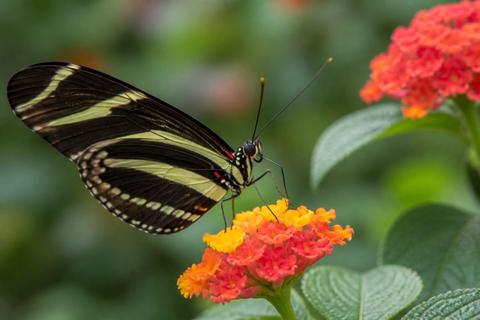
- Lantana: This vibrant flower attracts many butterflies due to its plentiful nectar.
- Butterfly Bush (Buddleja): Known for attracting various butterfly species, including cabbage whites.
- Verbena: These small flowers produce abundant nectar that sustains adult butterflies.
Feeding Behavior
Adult cabbage white butterflies display specific behaviors when feeding on nectar:
- Proboscis Extension: They use their long proboscis to reach deep into flowers for nectar.
- Feeding Patterns: Adults often visit many different flowers in a single outing, optimizing their energy intake.
- Territorial Behavior: Males may defend territories around rich nectar sources to attract females.
Nutritional Requirements
Both larval and adult stages have distinct nutritional needs that drive their feeding behaviors.
Caterpillar Nutrition
For cabbage white caterpillars, protein is crucial as they grow rapidly during the larval stage. Cruciferous vegetables provide essential nutrients:
- Protein-Rich Leaves: The leaves of host plants contain proteins vital for growth and molting.
- Calcium Content: Important for developing strong exoskeletons.
Adult Butterfly Nutrition
Adult cabbage whites require carbohydrates primarily sourced from nectar but also benefit from minerals found in other sources:
- Nectar Carbohydrates: Serve as an energy source essential for flight and mating activities.
- Mineral Sources: Adults may also obtain minerals from mud puddles or moist soil, a behavior known as “puddling.”
Implications for Gardening and Agriculture
Understanding the dietary habits of cabbage white butterflies can aid gardeners and farmers in managing their populations effectively:
Pest Management Strategies
Because cabbage white caterpillars can cause significant damage to crops, strategies may include:
- Companion Planting: Growing non-host plants nearby can deter egg-laying by female butterflies.
- Physical Barriers: Floating row covers can help protect young plants during peak egg-laying seasons.
- Natural Predators: Encouraging beneficial insects like parasitic wasps can naturally reduce caterpillar populations.
Organic Solutions
For those interested in organic gardening practices:
- Handpicking Caterpillars: Regularly checking plants can help manage populations without harmful pesticides.
- Planting Nectar-Rich Flowers: Supporting environments with diverse flora may attract beneficial predators while reducing pest numbers.
Conclusion
Cabbage white butterflies have complex dietary needs influenced by their life cycle stages. From voraciously consuming cruciferous vegetables as caterpillars to sipping nectar from various flowering plants as adults, their feeding habits significantly impact both ecosystems and agriculture. Understanding these habits not only enhances our appreciation of these beautiful insects but also equips us with tools for effective garden management and pest control strategies. By fostering a more harmonious relationship with nature’s pollinators while recognizing potential threats to crops, we can cultivate thriving gardens that support healthy biodiversity.