Top 10 Facts About Cabbage White Butterflies That You Need to Know
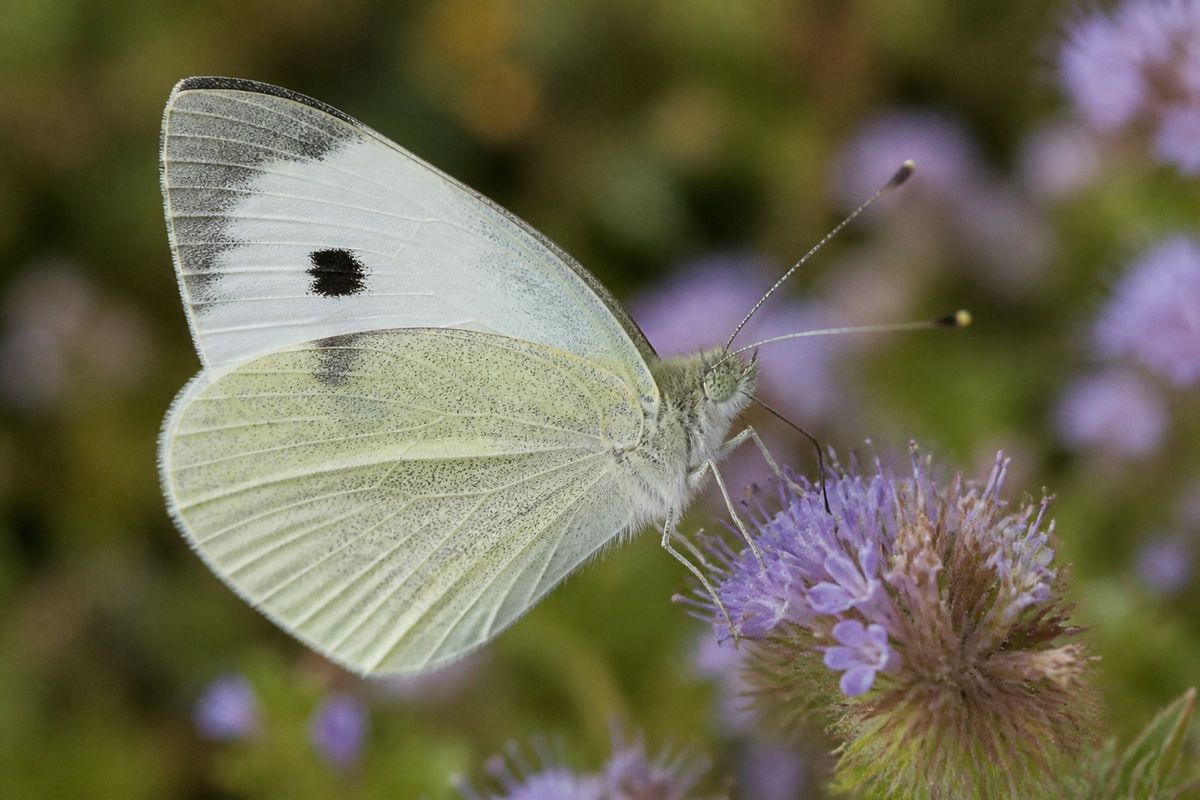
Cabbage white butterflies, scientifically known as Pieris rapae, are one of the most recognizable insects in gardens and fields worldwide. Their striking white wings and distinctive black spots make them easy to identify, but there’s much more to these butterflies than meets the eye. Here are ten fascinating facts about cabbage white butterflies that will deepen your understanding of this common yet intriguing species.
1. Identifying Features
Cabbage white butterflies are often recognized by their white or pale yellow wings adorned with black spots. Adults typically measure between 1.5 to 2 inches in wingspan. Male butterflies feature brighter coloration than females, often presenting a clearer, more defined set of black markings on the forewings. In contrast, female cabbage whites tend to have slightly more muted tones and may exhibit a broader range of colors, including pale yellow.
2. Life Cycle Stages
The life cycle of the cabbage white butterfly is divided into four distinct stages: egg, larva (caterpillar), pupa (chrysalis), and adult butterfly. The process begins when females lay tiny, round eggs on host plants, particularly members of the mustard family, such as cabbage, kale, broccoli, and Brussels sprouts. After about a week, the eggs hatch into larvae that feed voraciously on the host plant leaves before entering the pupal stage. This entire transformation can take anywhere from a month to several months, depending on environmental conditions.
3. Feeding Habits
Cabbage white caterpillars are notorious for their appetite and can cause significant damage to crops if left unchecked. They primarily feed on cruciferous plants, which include not only cabbage but also other vegetables such as radishes, turnips, and cauliflower. The bright green caterpillars are well-camouflaged against their host plants, making it difficult for predators to spot them.
4. Economic Impact
While cabbage white butterflies may be beautiful to observe in nature, they are often considered pests in agricultural settings due to their potential to damage crops. Farmers and gardeners invest substantial resources in pest control measures to mitigate the impact of these butterflies on their harvests. Pesticides and organic deterrents are commonly used to manage cabbage white populations; however, an integrated pest management approach that includes biological control methods is increasingly favored for sustainability.
5. Natural Predators
Cabbage white butterflies face numerous natural enemies throughout their life cycle. Birds, spiders, wasps, and other predatory insects target both the larvae and adults of this species. Some specific wasps lay their eggs within or on top of cabbage white caterpillars; when the eggs hatch, the larvae consume the caterpillars from the inside out, effectively controlling their population in a natural way.
6. Seasonal Behavior
Cabbage white butterflies are primarily active during warmer months when temperatures rise above 60°F (15°C). They are most commonly seen from late spring through early fall in temperate regions; however, in warmer climates, they can be found year-round. Adult females will often seek out suitable host plants to lay their eggs during this time, leading to peak populations that coincide with the growing season for crops.
7. Migration Patterns
Although cabbage white butterflies do not migrate over long distances like some other butterfly species (e.g., monarchs), they can exhibit localized movements in search of food sources or breeding sites. Several studies suggest that they may travel several miles in search of suitable habitats during their life cycles.
8. Adaptability
Cabbage whites are highly adaptable insects capable of thriving in a variety of environments ranging from urban gardens to agricultural fields and wildflower meadows. This adaptability is partly due to their broad diet; they can exploit many cruciferous plants across different ecosystems. As environmental conditions change, whether due to climate fluctuations or human impact, cabbage whites may adjust their behavior and distribution patterns accordingly.
9. Role in Ecosystems
Despite their reputation as pests among farmers and gardeners, cabbage white butterflies play an important role within ecosystems as pollinators. As they feed on nectar from various flowers during their adult stage, they inadvertently transfer pollen between plants, supporting biodiversity and plant reproduction processes. Their presence also serves as an indicator of ecosystem health; abundant populations often suggest a thriving environment rich in vegetation.
10. Importance of Conservation
As with many insect species globally, cabbage white butterflies face threats from habitat loss due to urbanization and agricultural practices that reduce biodiversity and food sources. Awareness about sustainable gardening practices can help protect these beautiful butterflies while simultaneously preserving crops for human consumption. Planting native flowers along with cruciferous crops can create a balanced ecosystem that supports both agricultural needs and wildlife conservation efforts.
In conclusion, cabbage white butterflies are much more than simple garden nuisances; they embody complex interactions within ecosystems and play critical roles both as pollinators and indicators of environmental health. Understanding these ten facts about cabbage whites not only enhances our appreciation for these delicate creatures but also informs better practices for managing their populations while preserving agricultural integrity and biodiversity alike.
By recognizing the balance between pest management and ecological responsibility, we can enjoy the beauty of cabbage white butterflies while ensuring sustainable coexistence with agriculture and nature alike.