The Symbolism of Dragonflies in Various Traditions
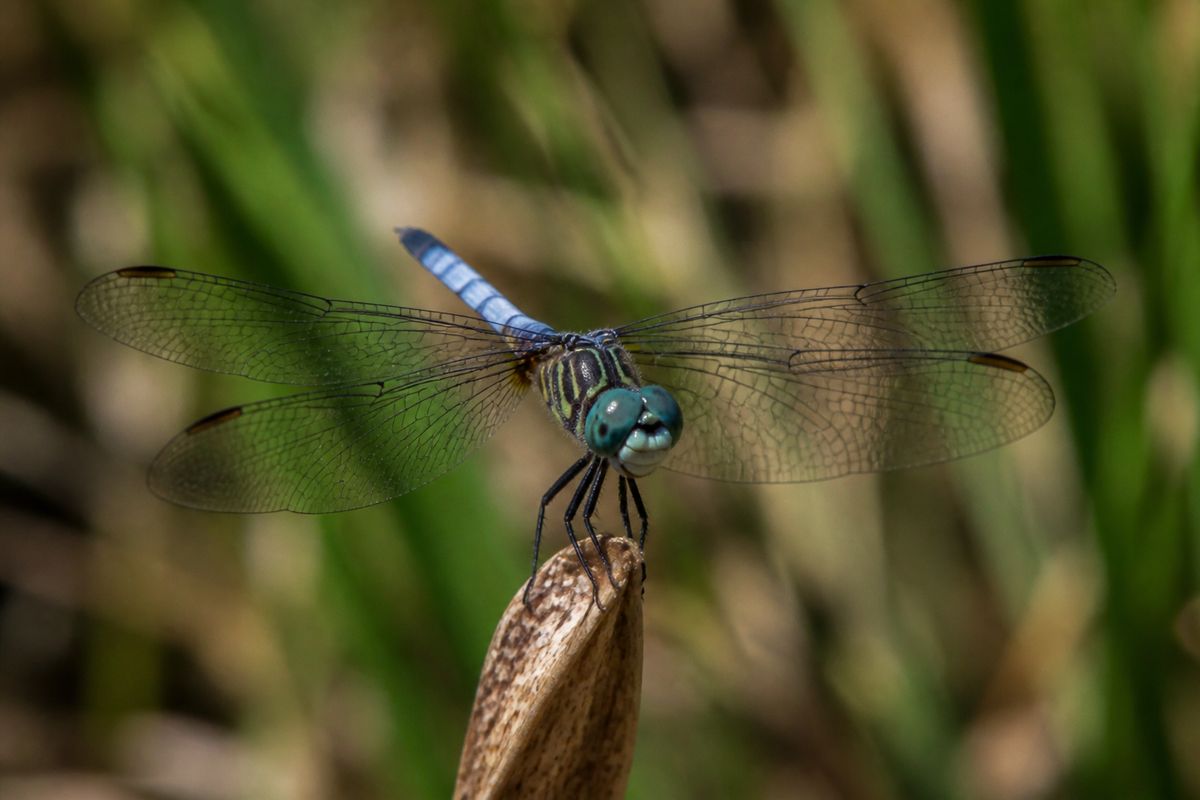
The symbolism of dragonflies in various traditions traces back to one biological fact: the insect lives two lives. It spends most of its existence underwater as a predatory nymph, then emerges into the air as an entirely different-looking adult. That split existence, water to air, hidden to visible, is the thread running through Native American, Japanese, Chinese, Celtic, and Aboriginal Australian beliefs about the insect.
Why the Life Cycle Drives the Symbolism
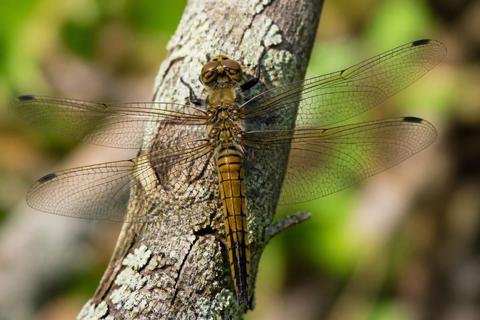
Dragonflies belong to the order Odonata and undergo incomplete metamorphosis, meaning there is no pupal stage between nymph and adult. A nymph can spend anywhere from a few months to five years underwater depending on the species and water temperature, and some species live for five years underwater before becoming adults, molting repeatedly before climbing out of the water on a reed or rock, splitting its exoskeleton, and unfurling wings for the first time.
Three Stages, One Transformation
- Egg: Laid in or near water, often inserted directly into plant stems below the surface.
- Nymph: An aquatic predator that molts nine to seventeen times while hunting mosquito larvae, tadpoles, and small fish with an extendable hinged lower lip called a labium.
- Adult: Emerges with functioning wings within hours, though full color often takes days to set in.
Because the nymph breathes through internal rectal gills and never leaves the water until its final molt, cultures that watched this cycle repeatedly read it as a story about hidden growth followed by sudden, visible change.
Native American Traditions
Among many Native American nations, dragonflies are tied to water, change, and communication with the spirit world, though the specifics vary by tribe. For the Navajo, the dragonfly is a symbol of water, and dragonfly images frequently appear in sacred sandpaintings to represent the element of water, and its arrival was traditionally read as a sign that rain, or summer, was coming.
Messenger and Healer Roles
For the Hopi and other Pueblo peoples, the dragonfly is associated with healing and transformation, sometimes appearing in stories as a figure that carries messages between the living and the dead. Plains tribes took a more protective view: dragonfly motifs painted on war shirts and tepees were used as symbols of protection or invincibility, meant to shield the wearer from harm in battle.
Water as the Connecting Element
The recurring link to water is not incidental. Dragonflies lay their eggs in ponds, streams, and marshes, and their nymphs cannot survive away from it, so tribes with strong water-based economies and ceremonies naturally folded the insect into rituals tied to rain, rivers, and purification.
Japanese Culture: The Victory Insect
In Japan, the modern word for dragonfly is tombo, though an older term, katsumushi, translates literally to "winning insect." Samurai regarded the dragonfly as a symbol of agility and victory because it flies in a straight line toward its target and does not retreat, and from the 17th century onward its image was worked into armor, helmets, and family crests.
Seasonal Significance
Dragonflies are also strongly associated with late summer and autumn in Japan, appearing throughout classical poetry as a marker of the season turning. Their sudden mass appearance over rice paddies at harvest time made them a familiar, almost domestic sight rather than an exotic one.
Chinese Culture
In Chinese tradition, dragonflies are linked to prosperity and are considered a good omen, which is why their motifs turn up on decorative items used during weddings and New Year celebrations. The insect's ability to move between water and air has also been read through the lens of yin and yang, representing balance between opposing forces rather than dominance of one over the other.
Romantic Associations
A dragonfly sighting is sometimes interpreted in Chinese folk belief as a sign of a developing romance, extending the insect's transformation symbolism into matters of the heart.
Celtic Symbolism
In Celtic folklore, dragonflies were sometimes treated as messengers from the Otherworld, the realm associated with spirits and ancestors in Celtic mythology. The insect's movement between water, linked to the subconscious, and air, linked to waking thought, reinforced its role as a creature that crosses boundaries other beings cannot.
A Reminder of Fleeting Beauty
Adult dragonflies typically live only a few weeks to a couple of months after emerging, a short window that Celtic tradition read as a reminder to notice small, temporary moments of beauty rather than waiting for permanence.
Indigenous Australian Beliefs
In some Aboriginal Australian traditions, dragonflies are connected to ancestral presence, with sightings interpreted as a sign that a deceased relative is nearby or offering guidance.
Balance Between Land and Water
The insect's dependence on both aquatic and terrestrial environments during its life cycle also made it a natural symbol for the interdependence between water systems and the land they feed, a theme that runs through many Aboriginal ecological stories and land-management practices.
Dragonflies in Modern Spiritual Practice
Contemporary spiritual and wellness circles have picked up the transformation theme directly from these older traditions, stripped of their specific tribal or national context. A dragonfly sighting during a difficult period is frequently interpreted as encouragement that a personal change already underway is heading in the right direction.
Use in Meditation Imagery
Guided meditation scripts sometimes use the dragonfly's emergence from water as a visualization anchor, asking practitioners to picture shedding an old form the way a nymph splits its exoskeleton during its final molt.
What Ties These Traditions Together
Strip away the geography and the same three ideas keep surfacing: transformation, because the insect visibly becomes something else; water, because the insect cannot exist without it; and messaging between worlds, because the adult's sudden appearance after months or years hidden below the surface reads, to almost every culture that has watched it, like an arrival from somewhere else. The next time a dragonfly crosses a pond or a garden path, it is carrying several thousand years of interpretation on wings that, biologically, are only a few weeks old.