Exploring the Courtship Behaviors of Fireflies
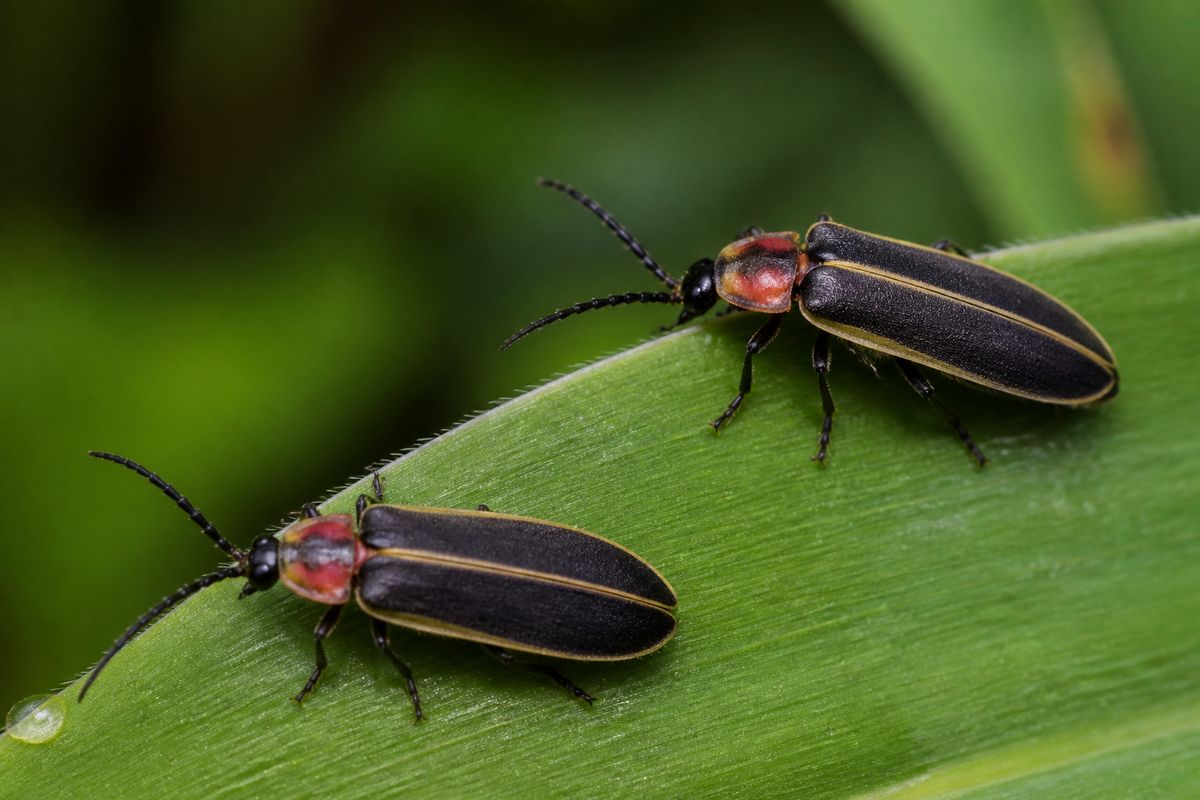
Fireflies, often regarded as enchanting symbols of summer nights, are fascinating insects that belong to the family Lampyridae. Renowned for their bioluminescent abilities, these creatures exhibit remarkable courtship behaviors that have intrigued scientists and nature enthusiasts alike. Through a combination of light patterns, chemical signals, and mating rituals, fireflies employ a complex system of communication to attract mates. In this article, we will explore the various courtship behaviors of fireflies, shedding light on the mechanisms behind their mesmerizing displays.
The Science of Bioluminescence
Before delving into firefly courtship behaviors, it is essential to understand the science of bioluminescence. Fireflies produce light through a chemical reaction involving luciferin, a light-emitting compound, and an enzyme called luciferase. This reaction occurs in specialized cells located in their abdomens. The production of light varies among species but typically falls within the green-yellow spectrum.
Bioluminescence serves multiple purposes for fireflies, including predation avoidance, communication with conspecifics, and mate attraction. During mating season, the light emitted by fireflies becomes a crucial tool in their courtship rituals.
The Role of Flash Patterns
One of the most fascinating aspects of firefly courtship is their use of specific flash patterns to communicate with potential mates. Different species of fireflies have distinct flash sequences, which play a key role in species recognition and mate selection.
For instance, male fireflies typically initiate courtship by emitting short bursts of light at regular intervals. These flashes often vary in duration and frequency depending on the species. Females respond to these flashes with their own light signals. The interaction typically involves a series of back-and-forth exchanges where males and females synchronize their flashing patterns.
Male Courtship Displays
Male fireflies are often more visually striking than females due to their active role in courtship. A male firefly’s primary objective is to attract a female through his flashing display. The characteristics of these displays can significantly influence a female’s choice:
-
Duration and Intensity: Males that produce longer and brighter flashes are generally more attractive to females. This not only demonstrates the male’s fitness but also signifies good health.
-
Flash Rate: Males also vary the frequency of their flashes as part of their courtship strategy. Some species may emit rapid flashes while others use slower sequences; females often show preference for specific patterns.
Female Response
Female fireflies play an equally important role in the courtship process through their responses to male displays. Depending on the species, females may emit their own flashes in response to male signals, indicating receptiveness. Females typically choose mates based on several factors:
-
Mate Quality: Females often select males that exhibit stronger and more consistent flash patterns. This selection is rooted in evolutionary biology; brighter displays indicate a healthier and more genetically favorable mate.
-
Species-Specific Signals: Since multiple firefly species may inhabit the same area, females utilize specific flash patterns to ensure they respond only to males of their species.
Chemical Communication
While visual signals dominate firefly courtship behaviors, chemical communication also plays a vital role. Fireflies possess specialized glands that produce pheromones, chemical substances used for communication within the same species.
Pheromone Attraction
During mating seasons, both male and female fireflies release pheromones into the air. These chemicals help facilitate mate recognition by enhancing attraction between potential partners:
-
Mate Location: The scent trails left by females can guide males toward them, increasing successful encounters during mating rituals.
-
Chemical Signals: Males also employ pheromones during their flashing displays which could further entice receptive females.
The Importance of Environment
Firefly courtship behaviors are not solely dictated by biological factors; environmental conditions also play a significant role in their mating success. Various environmental elements can influence both visibility for flashes and pheromone dispersal:
Temperature and Humidity
Fireflies are sensitive to temperature changes; warmer nights tend to bring out more individuals ready for mating rituals. Additionally, humidity levels can impact how effectively pheromones disperse through the air:
- Optimal Conditions: High humidity may enhance chemical signaling by allowing pheromones to linger longer in the environment, thus attracting more mates.
Light Pollution
Modern advancements have led to increased levels of artificial lighting in natural habitats. Light pollution poses significant challenges for firefly communication and courtship:
-
Disruption of Flash Patterns: Artificial lights can mask bioluminescent signals from fireflies. This interference makes it difficult for potential partners to locate each other.
-
Habitat Loss: Urban development that leads to habitat destruction further diminishes ideal environments for these insects.
Evolutionary Implications
The intricate courtship behaviors observed in fireflies offer insights into evolutionary processes at play within this fascinating group of insects:
Sexual Selection
The dynamics of male competition for female attention shape many aspects of firefly behavior:
-
Flash Variability: Over generations, natural selection has favored males with unique or more elaborate flash displays, leading to diverse mating strategies across various species.
-
Female Choice: Female preferences can drive evolution as they select mates based on desirable traits linked with biological fitness.
Speciation
Distinctive flash patterns contribute significantly toward reproductive isolation among different firefly species:
- Adaptive Radiation: As populations become isolated due to geographic or ecological factors, diverging flash patterns may lead to speciation, a process where new species arise from ancestral lineages.
Conclusion
The courtship behaviors of fireflies represent a captivating interplay between biology and environment, showcasing nature’s complexity and beauty. Through bioluminescent displays and chemical communication, these insects demonstrate intricate mating rituals that have evolved over millions of years.
Understanding these behaviors is crucial not only from an ecological perspective but also as an avenue for fostering appreciation toward biodiversity conservation efforts. Protecting natural habitats free from light pollution is essential if we hope to continue witnessing the magical displays of these extraordinary creatures on summer nights.
As we explore our surroundings this summer season or beyond, let us take a moment to pause under the starlit sky, perhaps we’ll be lucky enough to witness the brilliant dance of fireflies illuminating our world in whispers of light.