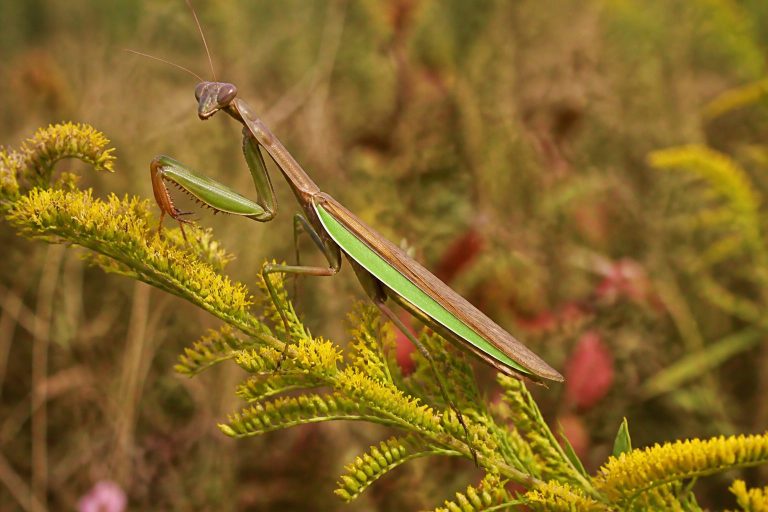
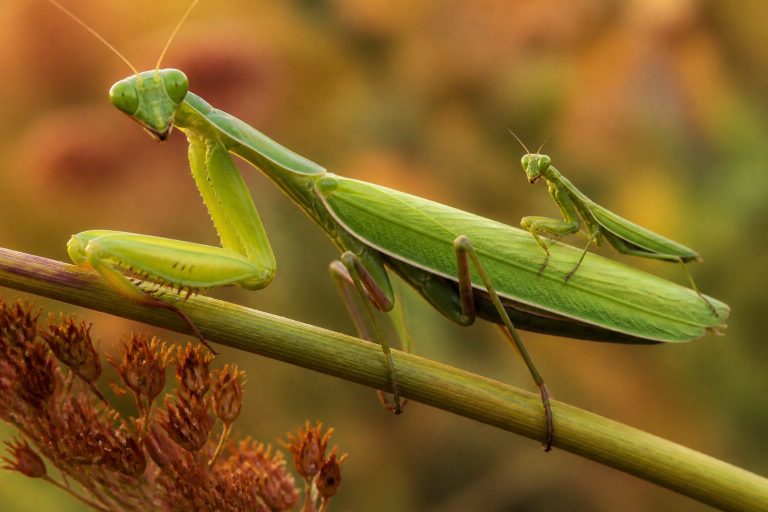
When Are Praying Mantises Most Active?
If you are wondering when do praying mantis come out, the short answer is spring through early fall, with the biggest surge in warm weather when they hunt, mate, and move around plants in daylight. In cooler climates, you may not notice them until late spring, while in mild regions they can stay active far longer. Their activity is tied to temperature, prey availability, and life stage, so the answer changes as they grow from tiny nymphs into adult hunters.
When Praying Mantises Come Out
Praying mantises come out when daytime temperatures rise and insect prey becomes active. In most of the United States, that means late spring through summer, with the clearest sightings from May to September. Nymphs emerge after egg cases hatch in spring, then spread through grasses, shrubs, gardens, and porch lights as they hunt small insects.
Daytime is their main window
Mantises are daylight hunters. They stand still, track movement with their heads, and strike only when prey comes close. That makes them easiest to spot in the morning and afternoon on flowers, vegetable plants, hedges, and tall weeds. At night, they rest in place rather than actively roaming.
Weather changes their activity
Warm, dry, calm weather brings them out into the open. Cool nights slow them down, and cold snaps push them into sheltering spots deeper in foliage. After rain, they stay hidden until surfaces dry and flying insects return. If you are searching a garden, focus on sunny edges, plant stems, and flower clusters after a warm day.
Mating Season and Adult Activity
When is praying mantis mating season?
Praying mantis mating season begins after adults mature, which in the United States lands in mid to late summer for many common species. Adults are the most visible then because males roam in search of females and both sexes spend more time exposed while feeding and reproducing. In warm areas, mating can continue into early fall.
What changes during mating season
Adult males move more and leave the safety of dense cover. Females stay near feeding sites and release pheromones that draw males in. After mating, females lay eggs in tan or foamy cases called oothecae on twigs, stems, fences, and other protected surfaces. This is also the time you are most likely to see larger mantises on shrubs, sunflowers, tomatoes, and ornamental grasses.
Why adults are easier to find than nymphs
Nymphs are tiny, slender, and easy to miss. They hide among leaves and feed on very small insects. Adults are bigger, slower to overlook, and more likely to perch out in the open. If you want to observe mantises in a yard, late summer gives the best chance of seeing both courtship behavior and egg cases.
Life Cycle: From Egg Case to Adult
The mantis life cycle explains most of their seasonal movement. Egg cases overwinter outdoors, nymphs hatch in spring, juveniles grow through summer, and adults appear in late summer to fall. In cold regions, the adult generation dies when hard frost arrives, leaving the next year to begin with new hatchlings.
Spring hatch
Hundreds of tiny nymphs can emerge from one ootheca at once. They disperse quickly and start hunting small flies, aphids, gnats, and other soft-bodied insects. This is when mantises are active, but still hard to spot unless you look closely at tender new growth and low vegetation.
Summer growth and fall decline
As nymphs molt, they become larger and more visible. By late summer, adults dominate the landscape and spend more time mating and feeding. In frost-prone areas, activity drops sharply in fall. The egg cases remain, attached to stems or bark, until the next warm season.
What They Do in Gardens and Yards
Praying mantises are ambush predators. They wait motionless, grab prey with spined front legs, and eat a wide range of insects. In gardens, that includes flies, moths, beetles, crickets, grasshoppers, and sometimes other beneficial insects. They help reduce some pest pressure, but they do not target only pests.
Where to look for them
Check sunlit flower beds, herb patches, vegetable cages, shrubs, and tall grass along fences. They also sit on trellises, tomato stakes, and porch plants. A mantis that seems to vanish is usually still there, because its body shape and color blend with stems and leaves.
How they behave when disturbed
They freeze, sway slightly, or turn to face movement. If touched, they can spread their wings or lift their front legs in a defensive posture. Their stillness is part of their hunting style, not a sign that they are inactive.
When to Release Praying Mantises
If you are asking when to release praying mantis, do it after your garden has steady insect activity and nighttime temperatures stay above 50 F. In most US gardens, that means late spring through early summer. Release them in the morning or near dusk, when heat stress is lower and they can move into cover.
- Place the mantis near dense plants, not on bare soil or pavement.
- Water the area first so the plants are not dry and heat stressed.
- Release them in a spot with flowers, shrubs, or tall vegetables that attract small insects.
- Avoid releasing before a cold spell, because young mantises lose activity fast in chill.
- Keep the area pesticide free, including harsh sprays and treated bait products.
A well timed release gives them cover, prey, and a stable temperature range. If you release them too early in spring, they can starve before insects build up.
How to Attract Praying Mantises Naturally
If you want mantises in the yard, create habitat instead of chasing them. They come out where there is food, shelter, and room to perch. Dense plants, mixed borders, and reduced nighttime disturbance all help.
- Grow flowering herbs and native blooms that bring in flies, moths, and small pollinators.
- Leave some tall stems and seed heads standing through fall for egg case attachment.
- Stop using broad spectrum insecticides, which remove their prey and harm them directly.
- Use mixed layers of plants, including low ground cover, mid height flowers, and taller shrubs.
- Keep exterior lights lower at night so you do not disrupt their prey base.
Praying mantises are not the best species to hand place on a specific plant, because they move on their own and hunt where prey is strongest. Habitat does the work better than relocation.
Frequently Asked Questions
Are praying mantises active at night?
No. They are mainly daytime hunters. At night, they stay still on plants, stems, or hidden foliage and wait for daylight to resume hunting.
Do praying mantises come out in early spring?
Only after egg cases hatch and temperatures warm. In colder parts of the United States, that is late spring. In milder regions, it begins earlier.
What is the best month to see praying mantises?
August is the easiest month in many areas because adults are large, active, and visible during mating season. July through September also gives strong sightings.
Can praying mantises help in a vegetable garden?
Yes, they eat many insects that move through vegetables. They also eat beneficial insects, so they help with pest pressure but do not function as selective pest control.
Why do I see more mantises after warm weather?
Warm weather wakes up their prey, speeds their growth, and increases movement through plants. That is when mantises come out and hunt most visibly.