Native vs. Introduced Praying Mantises in North America
If you are asking whether praying mantises are native to North America, the short answer is that some species are, but the familiar green mantis in many gardens is not always one of them. In North America, people often see a mix of native mantises and introduced species that spread widely after being brought in from other regions. That matters if you are trying to identify a mantis in your yard, understand its role in the garden, or answer the question of where do praying mantis live in North America.
Native and Introduced Praying Mantises in North America
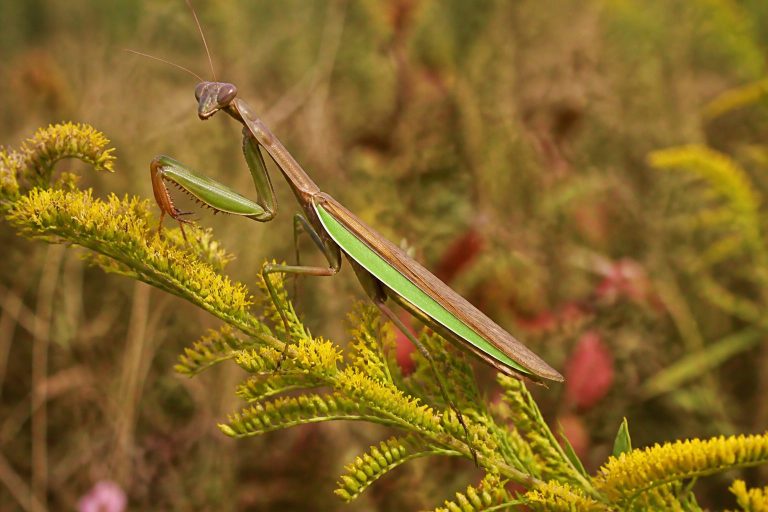
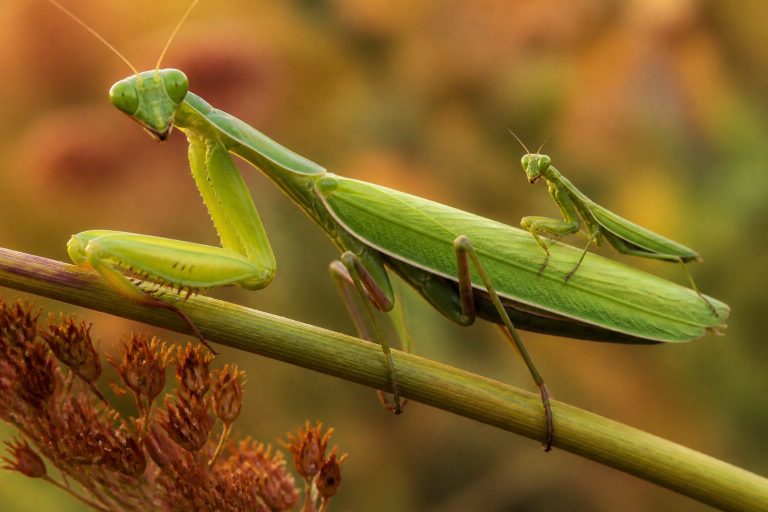
North America has native praying mantises, but the species most people recognize is the European mantis, which was introduced and is now widespread. Another introduced species, the Chinese mantis, also lives across much of the United States. Native mantises exist too, including smaller species that are less likely to stand out in a backyard because they are slimmer, more seasonal, and harder to spot.
Why the confusion happens
The confusion comes from size, color, and visibility. Gardeners notice the large, green, ambush-hunting mantises first, and those are often introduced species. Native mantises in North America include members of the Stagmomantis group and other regional species that blend into grasses, shrubs, and leaf litter. So when someone says “north american praying mantis,” they may be referring to any mantis living here, not only a native one.
What this means for your yard
If you find a mantis on a tomato cage, fence, or shrub, it is not safe to assume it is native. In many neighborhoods, introduced mantises are the most common large species. Native mantises still matter because they are part of local ecosystems, but identification requires looking at body shape, size, and location, not just color.
How to Tell a Native Mantis from an Introduced One
Identification starts with body size and overall look. Introduced species such as the Chinese mantis are large, heavy-bodied, and can reach about 3 to 5 inches long. Native species are often smaller, narrower, and better camouflaged against dry plants and stems. Both have the classic triangular head, long thorax, folded forelegs, and quick turning heads that make mantises so memorable.
Field clues that help
- Size: very large mantises are more likely to be introduced species.
- Color: green or brown does not prove nativeness, because both native and introduced mantises use those colors.
- Shape: native species often look slimmer and less bulky.
- Where you found it: lawns, gardens, hedgerows, and porch lights all produce different species, but region matters more than the exact plant.
- Season: egg cases in early spring and juveniles in summer help narrow the ID.
Praying mantis native to Virginia
Yes, Virginia has native praying mantises. In fact, the state supports native species as well as introduced ones. If you are in Virginia and see a mantis in a garden, do not assume it is a foreign species just because it is common. The state’s warm climate and mixed habitats support mantises in fields, shrubs, woodland edges, and home landscapes.
Where Do Praying Mantises Live in North America?
Praying mantises live in warm, vegetated places where they can hide and ambush prey. Across North America, that includes gardens, meadow edges, crop borders, weedy lots, shrubs, and tall grasses. They use camouflage to wait motionless for insects such as flies, moths, crickets, and grasshoppers. Some species also live in deserts, pine scrub, and forest margins.
Habitat by region
In the southern United States, mantises stay active longer because the season is extended. In the Midwest and Northeast, they appear later in the year and are tied closely to warm months. Along the West Coast, both native and introduced mantises occur in gardens, orchards, and wild edges. The answer to where do praying mantis live north america is simple, they live wherever there is cover, prey, and enough warmth for development.
What they need to survive
Praying mantises need vertical stems, leaves, and branches for hunting and molting. They do not live in bare lawns by choice. If your yard has layered plants, native flowers, shrubs, and unmowed borders, you are more likely to see mantises because those spaces support the insects they eat.
Life Cycle, Diet, and Behavior
Praying mantises begin life in an egg case called an ootheca. The eggs overwinter in the case, and young mantises hatch in spring or early summer as tiny versions of the adult. They grow through a series of molts, shedding their exoskeleton several times before becoming winged adults. Females lay egg cases in protected spots on stems, fences, and twigs.
What they eat
Mantises are strict predators. They eat live insects and other small arthropods they can overpower. Their diet includes flies, moths, beetles, caterpillars, wasps, and grasshoppers. Larger mantises also catch small frogs, lizards, and hummingbirds when the opportunity is close enough. They do not feed on garden plants, so they are hunters, not plant pests.
How they hunt
They hunt by waiting, not chasing. Their forelegs snap forward in a fast strike that traps prey with spines. Their rotating head gives them a wide view of the area, which helps them track movement. This sit-and-wait style makes mantises effective ambush predators in gardens and wild edges alike.
Do Mantises Help or Hurt the Garden?
Mantises are part of the garden food web, but they are not a selective pest control tool. They eat harmful insects, yet they also eat beneficial insects such as bees, butterflies, and ladybugs if those insects come within reach. A mantis in the garden is interesting and useful in a broad ecological sense, but it is not a targeted solution for pest management.
Best way to support beneficial insects instead
- Plant nectar-rich flowers such as dill, yarrow, alyssum, coneflower, and native asters.
- Keep shallow water available with pebbles for landing.
- Leave some stems and leaf litter through winter so eggs and overwintering insects stay protected.
- Avoid broad insecticides, which remove both pests and the insects that feed on them.
- Use row cover, hand removal, and habitat diversity when you need pest control.
If your goal is a healthier yard, the best approach is to attract a wider range of pollinators and garden allies, including ladybugs, lacewings, hoverflies, and parasitic wasps, rather than relying on mantises alone.
Culture, Misconceptions, and the Role of Native Species
Mantises appear in folklore and backyard stories because they look deliberate and almost watchful. Their name and folded posture make them seem calm, almost meditative, which adds to their reputation. In reality, they are built for patience and predation. Native mantises deserve attention because they are part of local biodiversity, while introduced species deserve identification because they are so widespread that people mistake them for natives.
What to remember
A mantis in North America is not automatically native, and a green mantis is not automatically imported. The safest conclusion is to identify the species, note the size, and check the region. If you are in Virginia or elsewhere in the eastern United States, both native and introduced mantises can share the same garden.
Frequently Asked Questions
Are praying mantises native to North America?
Some species are native to North America, but several of the most familiar garden mantises were introduced from Europe or Asia and spread widely. So the answer is yes for some species, no for others.
What is the north american praying mantis people see in gardens?
In many gardens, the most noticeable species is the Chinese mantis or European mantis. Native species are present too, but they are often smaller and less obvious.
Are praying mantises native to Virginia?
Yes. Virginia has native praying mantises, along with introduced species that are now common in yards and gardens.
Where do praying mantis live in North America?
They live in gardens, fields, shrubs, woodland edges, orchards, and other places with cover and insect prey. They avoid open bare ground and favor vegetation where they can hide and hunt.